

Do Invisalign Attachments Make Treatment Faster? What to Know
Invisalign has transformed the world of orthodontics, offering a discreet and comfortable way to achieve a perfect smile. Unlike traditional braces, these clear aligners can be removed for eating and cleaning, providing a level of convenience that has made them incredibly popular. However, many treatment plans include a key component that might surprise new patients: Invisalign attachments.
These small, tooth-colored dots are bonded to the teeth and play a crucial role in the success of the treatment. But what exactly are they, and do they really make the process faster?
This guide will cover everything you need to know about Invisalign attachments. We will explore what they are, why they are necessary, and how they contribute to a more efficient and effective orthodontic journey. With insights from leading San Diego orthodontist Dr. Pegah Salami, you’ll gain a clear understanding of how these tiny but mighty tools help create beautiful, straight smiles.
What Are Invisalign Attachments?
Invisalign attachments, sometimes called “buttons,” are small, tooth-colored dots made of composite dental bonding material. This is the same durable and safe material used for white fillings. An orthodontist strategically places these attachments on specific teeth to help the aligners grip them more securely.
Think of it like this: while the aligners are excellent at pushing teeth, some movements require a more anchored point of contact. Attachments act as tiny handles, allowing the aligners to apply the right amount of force in the precise direction needed. This enhanced grip is crucial for achieving complex tooth movements that might otherwise be difficult with aligners alone. Dr. Pegah Salami often recommends them to ensure the treatment progresses exactly as planned.
Invisalign Attachments
Why Are Invisalign Attachments Necessary?
While some minor orthodontic cases might not require them, attachments are essential for most Invisalign treatments. They are the key to successfully treating a wide range of dental misalignments, from simple shifts to more complex challenges. The aligners alone are great at “pushing” teeth, but they struggle with movements that require “pulling” or rotating.
Attachments are necessary to facilitate these more difficult tooth movements, including:
- Rotation: Turning a tooth that is twisted or angled incorrectly.
- Extrusion: Pulling a tooth down (or up) to align it with neighboring teeth.
- Intrusion: Pushing a tooth deeper into the jawbone, often to correct a deep bite.
- Angulation (Tipping): Adjusting the tilt of a tooth’s root.
- Bodily Movement: Moving the entire tooth, including the root, to a new position without tilting it.
Without attachments, achieving these precise movements would be challenging with clear aligners alone. Dr. Pegah Salami highlights their importance, explaining that attachments ensure aligners apply precise forces, enabling predictable, optimal outcomes tailored to each patient’s treatment plan.
The Different Types of Invisalign Attachments
Invisalign attachment service are not a one-size-fits-all solution. They are carefully selected and customized by the orthodontist based on the specific movement required for each tooth. They come in various shapes and sizes, each designed for a particular function.
While you may not need to know the technical name for each one, understanding their diversity can help you appreciate the precision of your treatment plan. Some common shapes include:
- Rectangular Attachments: These are one of the most common types. Their shape provides a large, flat surface area, which is excellent for providing strong anchorage and facilitating major tooth movements, such as bodily movement or closing gaps.
- Beveled Attachments: Similar to rectangular attachments, but with one or more sloped sides. This bevel can help direct the force in a specific direction, making them useful for rotations and extrusions.
- Elliptical (Oval) Attachments: These smaller, rounded attachments are often used when a more subtle force is needed. They can act as anchor points or assist with minor rotations.
- Power Ridge Attachments: These are small, horizontal ridges placed near the gum line of the upper front teeth. They are specifically designed to provide torque, which is a rotational force that helps correct the angulation of the tooth roots.
Do Invisalign Attachments Speed Up Treatment Time?
Now for the big question: do these attachments actually make your Invisalign treatment faster? The answer is a resounding yes. By improving the efficiency of each aligner, attachments help reduce overall treatment time.
Here’s how they contribute to a faster process:
- Enhanced Grip and Force Application: The primary function of attachments is to give the aligners a better grip on the teeth. This secure connection ensures that the force generated by the aligner is transferred directly and efficiently to the tooth. Without this grip, the aligner might slip slightly, leading to less effective movement. This means each aligner can do its job more effectively, keeping your treatment on schedule.
- Enabling Complex Movements: Attachments make it possible for Invisalign to tackle more complex orthodontic issues that might have previously required traditional braces. By enabling precise rotations, extrusions, and other difficult movements, attachments allow patients to stick with the clear aligner system instead of needing alternative or longer treatments.
- Increased Predictability: Attachments improve treatment outcomes by providing the aligners with the necessary leverage for precise adjustments. Orthodontists can confidently map tooth movements, reducing delays and minimizing the need for refinements. A predictable treatment ensures efficiency, often resulting in faster completion times with fewer complications.
Essentially, attachments ensure that your teeth are tracking correctly with the plan laid out by your orthodontist. This efficiency minimizes wasted time and helps you progress through your sets of aligners as planned, bringing you closer to your new smile faster.
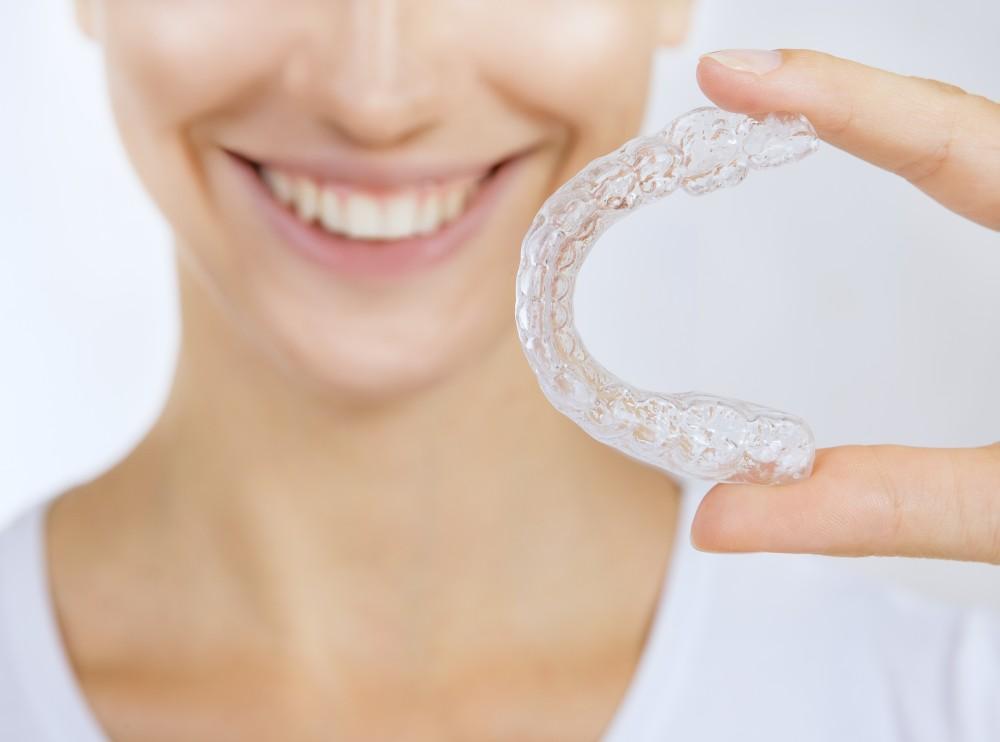
Invisalign Attachments Service
The Benefits of Using Invisalign Attachments
Beyond speeding up treatment, Invisalign attachments offer several other significant advantages that contribute to a better overall orthodontic experience and outcome.
Greater Treatment Effectiveness
The most important benefit is their ability to expand the scope of what Invisalign can treat. In the early days of clear aligners, their use was limited to very simple cases. Thanks to innovations like attachments, orthodontists can now use Invisalign to effectively treat complex issues like severe crowding, significant spacing, and various types of bite misalignments.
Improved Aligner Fit
Attachments help your aligners fit more snugly and securely against your teeth. This not only makes the treatment more effective but also can make the aligners feel more comfortable and stable in your mouth. A better fit ensures the aligners are applying consistent pressure, which is crucial for continuous tooth movement.
Achieving a Better Final Result
Because attachments allow for such fine-tuned control over tooth movement, the final result is often superior. Your orthodontist can achieve a higher level of detail in the final positioning of your teeth, leading to a healthier bite and a more aesthetically pleasing smile.
What to Expect When Getting Attachments
The process of getting Invisalign attachments is simple and painless. Here’s a step-by-step look at what happens at your appointment:
- Tooth Preparation: Your teeth are first cleaned and dried. A special gel is applied to the surface of the teeth where the attachments will be placed. This etches the enamel slightly, creating a microscopic texture for a stronger bond.
- Using the Template: Your orthodontist will use a clear template, which looks like a regular Invisalign aligner. This template has small bumps or wells that correspond to the exact location and shape of each attachment.
- Applying the Composite: The tooth-colored composite resin is placed into the wells of the template.
- Positioning and Curing: The template is placed over your teeth. The orthodontist ensures it is perfectly seated, and then a special curing light is used to harden the composite material, bonding it to your teeth.
- Finishing Touches: Once the composite is hardened, the template is removed, and any excess material is polished away. The entire process is quick, typically taking less than 30 minutes.
Caring for your teeth with attachments is straightforward. You’ll need to be a bit more thorough when brushing to ensure you clean around the attachments, as they can trap food particles and plaque. Dr. Pegah Salami advises her patients to pay extra attention to these areas and continue with regular dental check-ups and cleanings.
Are Invisalign Attachments Noticeable?
A common concern for patients is whether the attachments will compromise the “invisible” aspect of Invisalign. While they are not completely invisible, they are designed to be as discreet as possible.
The composite material is matched to the shade of your natural teeth, so they blend in well. From a normal conversational distance, most people won’t even notice them. They are most visible up close or when you remove your aligners for eating. However, even then, they just look like small, glossy bumps on your teeth.
Dr. Pegah Salami reassures her patients, “The aesthetic concern is understandable, but the vast majority of my patients quickly get used to their attachments and find that others don’t notice them. The short-term presence of these discreet buttons is a small price to pay for a faster, more effective treatment and a lifetime of beautiful smiles.”

Invisalign Implant Service
Start Your Journey to a Straighter Smile
Invisalign attachments are a cornerstone of modern orthodontic treatment. They are not just an accessory; they are a vital tool that enables orthodontists to achieve complex movements with precision and efficiency. By providing the necessary grip and leverage, they make Invisalign treatment faster, more predictable, and effective for a wider range of cases.
If you are considering Invisalign, embracing the role of attachments is key to unlocking the full potential of your treatment. They are the secret ingredient that helps transform your smile efficiently and effectively.
Ready to see how Invisalign can work for you? A personalized consultation is the best way to understand your unique needs. At the office of Dr. Pegah Salami in San Diego, you can receive a comprehensive evaluation and a custom treatment plan designed to give you the smile you’ve always wanted.
Contact the office of Dr. Pegah Salami today to schedule your consultation and start your Invisalign journey!
Pegah S. Salami, DMD, FAGD
https://www.google.com/maps?cid=16004739670706848570
12395 World Trade Dr Suite 150, San Diego, CA 92128, United States
(858) 451-3311
https://www.ranchobernardodentistry.com/





