
A cold smoothie after a warm San Diego afternoon should feel refreshing. If one sip sends a sharp zing through a tooth, it can stop you in your tracks. The same thing happens with iced coffee, cold fruit, frozen yogurt, or even a breath of cool morning air.
That kind of pain is common, but it isn't something you should ignore. Cold sensitivity usually means a protective layer has worn down, gums have pulled back, or a tooth needs attention. For families in Rancho Bernardo, Poway, Rancho Peñasquitos, and Escondido, understanding the cause is the first step toward relief and long-term dental health.
Your Trusted Dentist for Tooth Sensitivity in Rancho Bernardo
Many people first notice sensitivity during ordinary moments. A parent grabs an iced drink between errands. A teen bites into ice cream after practice. Someone enjoying brunch outdoors suddenly avoids the cold water because one tooth reacts every time. The surprise is often part of what makes it stressful. Teeth felt fine last month, and now cold foods are a problem.
That reaction can make people wonder if they're overreacting. They aren't. Sensitive teeth can come from small changes that build slowly, such as brushing too hard, grinding at night, or wearing away enamel over time. It can also happen after cosmetic or restorative dental work, or when a filling, crack, or cavity starts letting the tooth react more than it should.
Why this feels more upsetting than people expect
Cold sensitivity isn't only about pain. It changes habits. People start chewing on one side, avoiding certain foods, or putting off whitening because they're worried it will make things worse. Some patients also become anxious because they don't know whether the problem is minor or the start of something more serious.
For anxious patients, uncertainty is often the hardest part. They want a clear answer, a gentle exam, and a plan that makes sense.
A sensitive tooth is often a clue, not just a symptom. When you find the reason early, treatment is usually simpler and more comfortable.
A comfort-minded dental office can make a real difference here. Small details matter, from how the team explains each step to how you sit during an evaluation. If dental visits tend to make your jaw, neck, or shoulders tense, it can help to discover ergonomic seating solutions that support better posture and comfort in treatment spaces.
What local families usually want to know first
Most patients in the San Diego area ask some version of the same questions:
- Why now If my tooth wasn't sensitive before, what changed?
- Why only with cold Why does ice water hurt but room-temperature foods don't?
- Will it go away Is this temporary, or does it mean I need treatment?
- Can I still get cosmetic care If I'm thinking about teeth whitening or veneers, is sensitivity a warning sign?
Those are the right questions. Cold sensitivity has a real physical cause, and once you understand the anatomy, it starts to make sense.
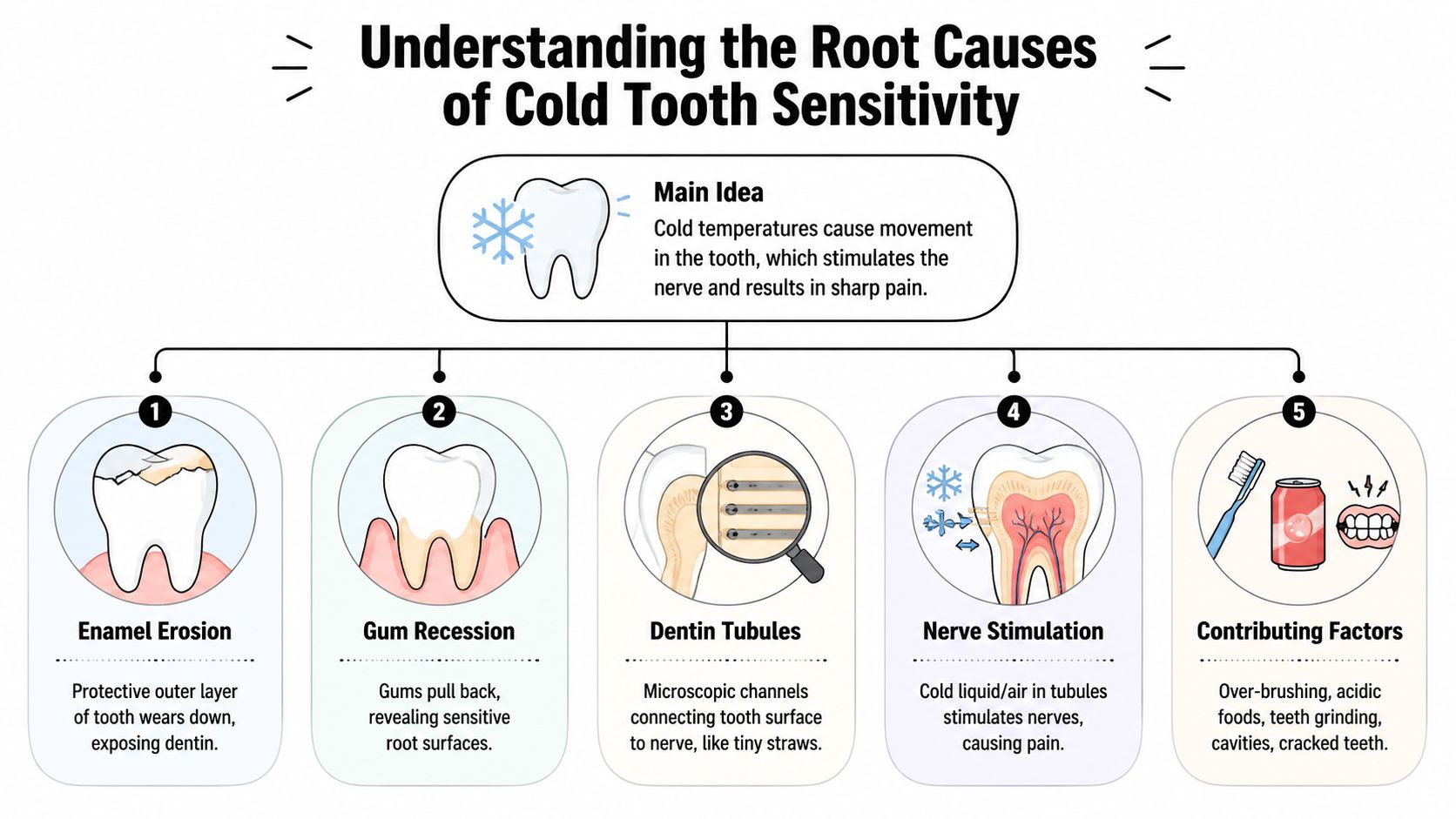
Understanding the Root Causes of Cold Tooth Sensitivity
A tooth has layers. The outer layer is enamel, which protects the crown of the tooth. Under that is dentin, and inside the center is the pulp, where the nerve and blood supply live. When enamel stays intact and gums cover the root properly, cold doesn't easily trigger pain.
Trouble starts when protection is lost. According to this explanation of enamel erosion and gum recession, enamel erosion and gum recession are the main causes of tooth sensitivity, affecting an estimated 57 million US adults, and gum recession impacts 88% of people over 65. That matters because root surfaces don't have enamel protection.
Think of dentin like a wall filled with tiny straws
Dentin contains microscopic channels called dentinal tubules. A simple way to picture them is as tiny straws leading inward. When cold touches exposed dentin, fluid inside those tubules shifts. That movement sets off the pain response.
This is why cold sensitivity often feels sudden and sharp instead of dull and lingering. The tooth isn't reacting to temperature in a vague way. A specific signal is being triggered.
Why cold creates that quick zing
For years, dentistry has explained this through the hydrodynamic theory, which says that movement of fluid in dentin tubules stimulates the nerve. Newer research has added another layer to that explanation. A Massachusetts General Hospital press release about TRPC5 cold sensing in teeth describes TRPC5 ion channels in odontoblasts as the primary cold sensors involved in cold-induced tooth pain.
In plain language, that means the tooth has cells that help detect cold more directly than people once realized. So if dentin is exposed and the tooth is irritated, cold can trigger a stronger signal to the brain.
Practical rule: If cold causes a quick, electric-style pain, exposed dentin is often part of the story.
The two most common reasons protection is lost
Here are the causes dentists see most often:
Enamel erosion Acidic foods and drinks can wear enamel away over time. Sodas are a major example, and the same Cambridge Dental source notes that 50% of Americans consume sodas daily per CDC data. Aggressive brushing can also wear the surface down instead of cleaning it more effectively.
Gum recession When gums pull back, the root becomes exposed. Roots are more sensitive because they aren't covered by enamel. Recession can be related to brushing habits, genetics, periodontal disease, or long-term inflammation.
Cracks, cavities, and failing dental work A crack or cavity can create a direct pathway for cold to reach deeper parts of the tooth. If you've wondered whether an older filling could be part of the problem, signs may overlap with symptoms of leaking tooth fillings.
Why younger adults can have it too
People often assume sensitivity is only an aging issue. That's not true. A discussion of why sensitivity starts at the gum line in younger adults notes that 80% of sensitivity starts at the gum line. That helps explain why adults in their 20s, 30s, and 40s can suddenly notice pain after years of brushing too hard, grinding from stress, or drinking acidic beverages regularly.
A cold-sensitive tooth is often a message from your mouth. The message is usually simple. Something that used to be covered is now exposed.
How We Diagnose Tooth Sensitivity at Our San Diego Office
Trying to self-diagnose sensitive teeth can be frustrating. One person assumes they need a special toothpaste. Another thinks whitening caused the problem. Someone else worries they need a root canal. The challenge is that very different problems can feel similar at home.
A professional exam matters because treatment only works well when it matches the cause. A worn gum line, a cracked cusp, a cavity, bite pressure, and a recent filling can all create sensitivity, but they don't need the same solution.
What happens during the exam
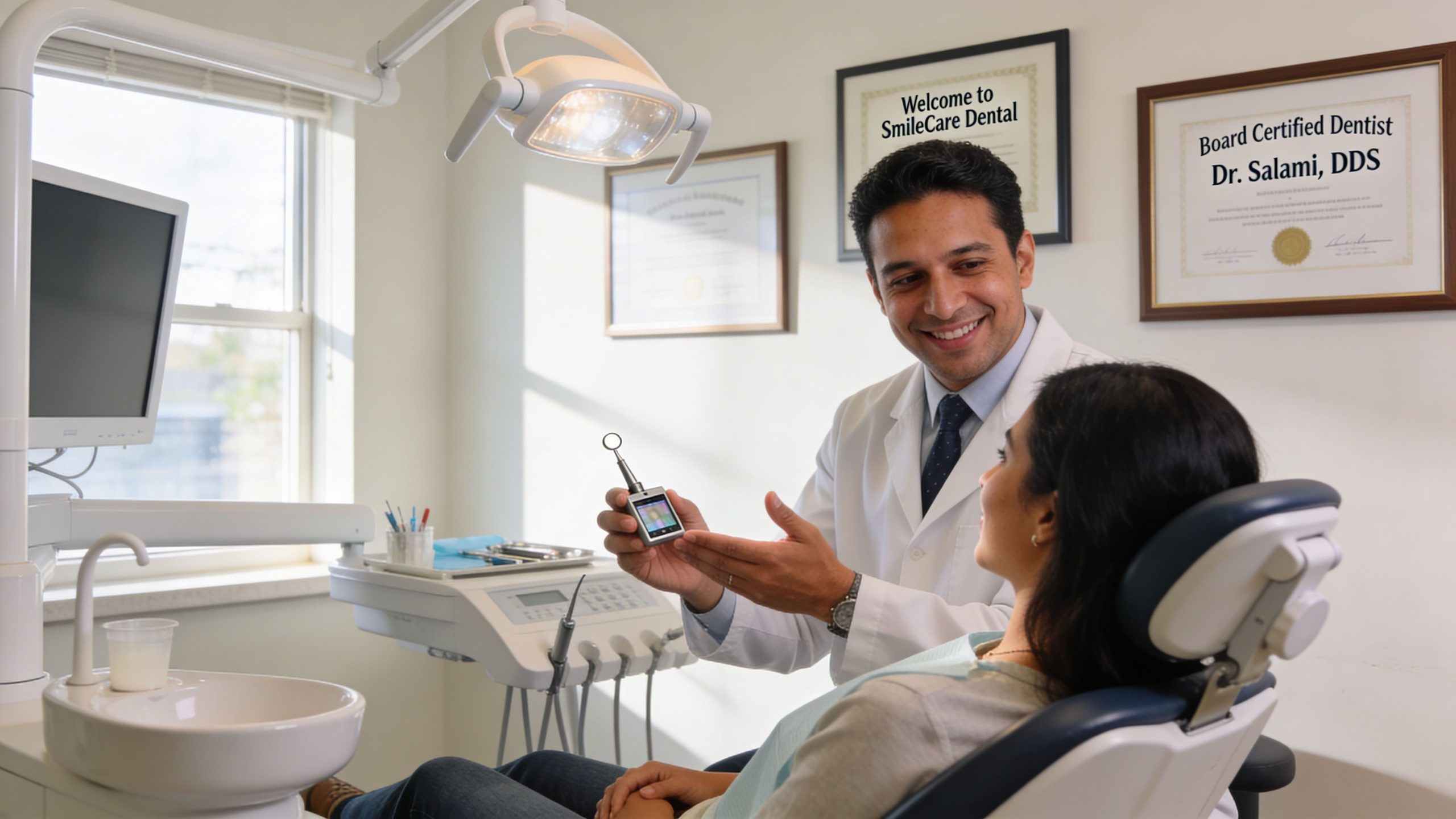
At a thorough new patient visit, the team looks beyond the symptom itself. They want to know where the pain happens, how long it lasts, what triggers it, and whether it started after dental work, whitening, clenching, or a change in home care.
A typical evaluation may include:
- A visual check of enamel and gum levels The dentist looks for worn spots, exposed roots, chips, recession, and changes around existing fillings.
- Bite and pressure review If one tooth is taking too much force, that tooth may become more reactive.
- Dental X-rays when needed These help reveal decay, cracks that affect the tooth internally, bone support, and problems that aren't visible on the surface.
- Gentle sensitivity testing Cold or air may be used carefully to identify the exact tooth and measure the response.
Why this is better than guessing
Store-bought products can help some people, but they can also delay the right care. If sensitivity comes from recession, the goal may be to protect the root surface. If it comes from a cracked tooth, the fix may be restorative dentistry. If the pulp is inflamed, the tooth may need a different level of treatment entirely.
That is why a dentist in San Diego, CA should evaluate sensitivity that is new, worsening, localized to one tooth, or interfering with eating and drinking. Good diagnosis prevents the cycle of trying one product after another while the underlying issue gets worse.
When one tooth reacts much more than the others, dentists pay attention. A single sensitive tooth often tells a more specific story than generalized sensitivity.
What patients can expect emotionally
Many patients worry that the appointment will feel rushed or uncomfortable. In a patient-centered office, it shouldn't. Sensitive areas can be examined gently, and the conversation should be just as important as the X-rays. People do better when they understand what the dentist is seeing and why a recommendation makes sense.
For families looking for a dentist near me or a dentist in San Diego, CA, a careful diagnostic process is one of the best signs that the office is focused on long-term health, not quick guesses.
Effective Treatments for Lasting Relief from Sensitive Teeth
Once the cause is clear, treatment becomes much more straightforward. Some people improve with a change in daily habits and a targeted product. Others need restorative or periodontal treatment to protect the tooth and stop the pain at its source.
The best approach is usually not the most aggressive one. It's the one that fits the reason the tooth is sensitive.
What you can try at home
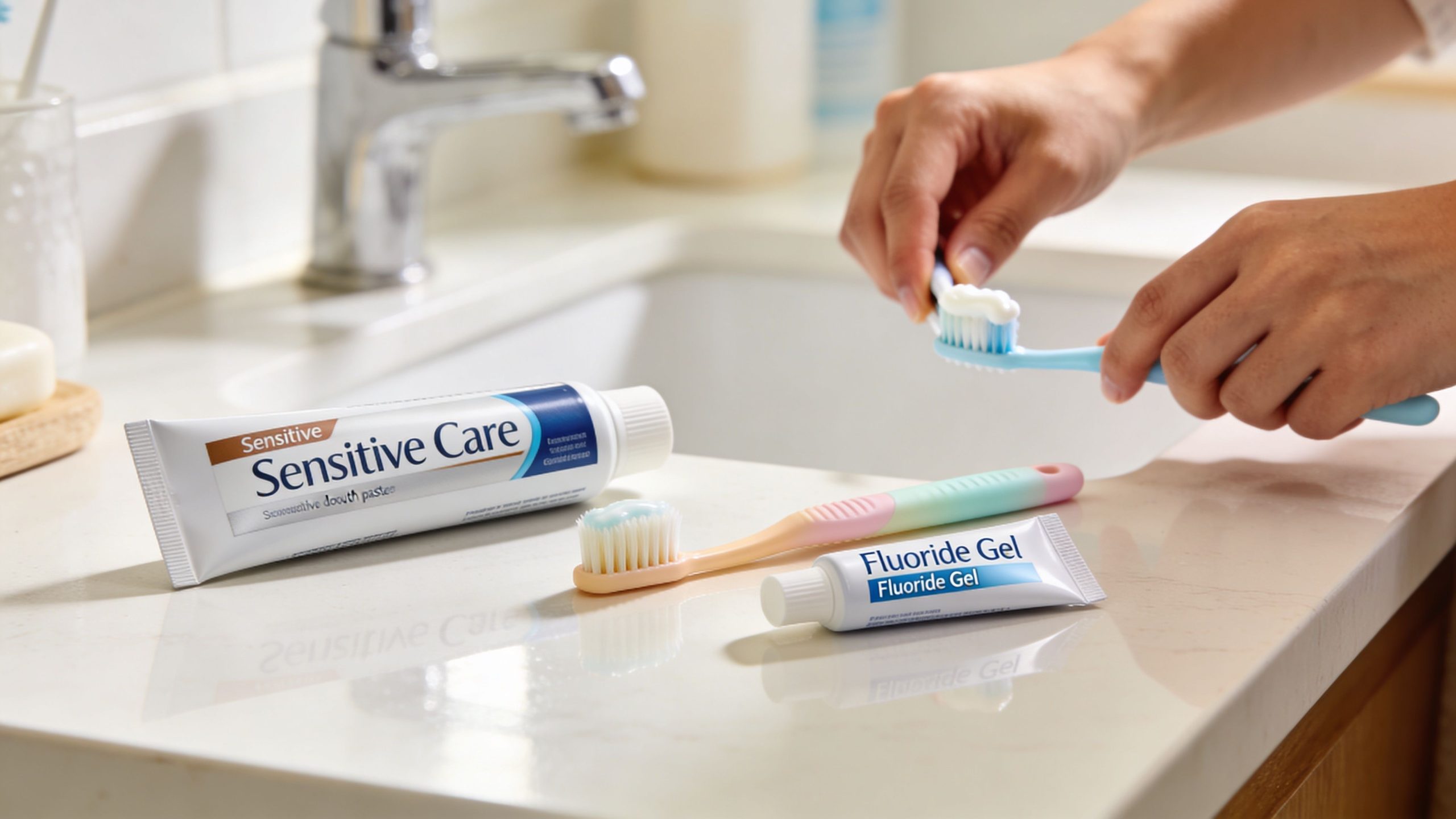
At-home care is useful when the sensitivity is mild or when you're protecting dental work after treatment.
A few changes often help:
- Switch to a soft-bristled brush Many people scrub harder when they want cleaner teeth. That often irritates the gum line instead.
- Use a desensitizing toothpaste consistently These products work best with regular use, not just a day or two.
- Cut back on acidic drinks Sodas, citrus-heavy drinks, vinegar-based beverages, and similar items can keep enamel under stress.
- Avoid very cold triggers for a short time This doesn't fix the cause, but it can calm an irritated tooth while a plan is in place.
If you want more conservative ideas first, you can review natural approaches to sensitive teeth as part of a broader home-care routine.
When professional treatment makes more sense
Home care won't rebuild a cracked tooth or cover an exposed root. That is where in-office care can make relief more predictable.
Here is a simple comparison:
| Situation | Home approach | In-office solution |
|---|---|---|
| Mild gum line sensitivity | Softer brushing and desensitizing toothpaste | Fluoride application or protective coating |
| Exposed root surface | Temporary diet and brushing changes | Bonding or treatment to seal the area |
| Old filling or visible damage | Symptom management only | Restorative dentistry to repair the tooth |
| Crack or weakened tooth structure | Avoid chewing on that side | Crown or other protective restoration |
| Gum-related cause | Gentle cleaning at home | Periodontal therapy and professional maintenance |
Treatments commonly recommended in a dental office
A family and cosmetic dental practice may recommend several options depending on what the exam shows.
Fluoride and desensitizing applications
Fluoride varnish or similar in-office treatments can strengthen vulnerable areas and reduce how easily the tooth reacts. This is often a good first step for exposed dentin near the gum line.
Bonding for exposed areas
Tooth-colored bonding can cover worn spots or root exposure. It also blends well cosmetically, which matters for visible front teeth.
Restorative dentistry for damaged teeth
If a tooth has a crack, leaking filling, or significant loss of structure, a restoration may be the most dependable answer. CEREC same-day crowns can protect a compromised tooth and reduce ongoing sensitivity without multiple temporary steps.
A short video can help patients understand how sensitive teeth are treated conservatively before more involved procedures are considered.
Periodontal therapy when gums are involved
If gum recession is part of a broader periodontal problem, cleaning alone may not be enough. Treatment may focus on controlling inflammation, protecting roots, and improving long-term gum support.
Relief lasts longer when treatment solves the reason cold reaches the nerve, not just the symptom.
Cosmetic concerns and comfort can work together
People sometimes think they must choose between comfort and appearance. In many cases, they don't. Bonding, white composite fillings, carefully planned crowns, and other restorative or cosmetic dentistry services can improve both function and appearance. If sensitivity has made you hesitate about smiling, eating comfortably, or pursuing cosmetic treatment, a personalized plan can often address all of those concerns together.
A Proactive Guide to Preventing Tooth Sensitivity
A parent grabs a cold drink on a warm San Diego afternoon and feels that quick zing in one tooth. It lasts a second, so it is easy to dismiss. In dentistry, that kind of small signal often matters. Sensitivity can be the first clue that enamel is thinning, gums are receding, or a bite habit is putting too much pressure on certain teeth.
Prevention works best when you treat sensitivity as useful information, not just an annoyance to push through. For families, that matters because the same symptom can point to very different patterns in a teen, a busy parent, or an older adult. Catching those patterns early helps protect comfort now and the health, function, and appearance of the smile over time.

Prevention looks different for each member of the family
Teeth change with age, habits, and daily stress. A teenager who sips sports drinks during practice has a different risk profile than a parent who clenches through work deadlines. A grandparent may be dealing with gum recession or older dental work that has held up well for years but now needs closer attention.
Here are a few patterns dentists often see:
- Teens and young adults Frequent exposure to sodas, energy drinks, sports drinks, and acidic snacks can soften enamel little by little.
- Busy adults Clenching and grinding can wear down biting edges and strain teeth without causing obvious pain at first.
- Older adults Gum recession, dry mouth, and aging fillings or crowns can leave more of the tooth vulnerable to cold.
Daily habits that protect teeth better
The gum line is a common trouble spot because it is where enamel becomes thinner and the root surface may be exposed more easily. That area works a bit like the cuff of a jacket. If it gets worn out first, the parts underneath lose protection faster.
Small changes at home can make a real difference:
- Brush gently with a soft-bristled brush Scrubbing harder does not clean better. It can wear at the gum line and irritate the tissue.
- Wait a little after acidic drinks before brushing Acid temporarily softens the outer surface of teeth. A water rinse first is kinder to enamel.
- Floss with a steady, careful motion Healthy gums cover and protect the root surface better than inflamed gums.
- Notice the signs of grinding Morning jaw soreness, flattened edges, tiny chips, or tension headaches can point to pressure that slowly wears teeth down.
- Pay attention to patterns If cold air, ice water, or a certain side of the mouth sets something off, that detail can help your dentist find the cause sooner.
Some prevention is very practical. Use a straw for acidic drinks when possible. Keep them with meals instead of sipping for hours. If your teeth have already started reacting to cold, a toothpaste made for sensitivity may help calm the nerve response while you address the reason it started.
Why regular dental visits matter even when pain seems minor
Sensitivity often shows up before a family can see anything wrong in the mirror. A dentist may notice early enamel wear, slight recession, bite imbalance, or a filling margin that is starting to leak long before the tooth develops a larger problem.
That early timing matters. A small adjustment, protective fluoride treatment, habit change, or conservative repair is usually easier than waiting until the tooth cracks more, the gum pulls back farther, or the nerve becomes inflamed.
For Rancho Bernardo and greater San Diego families, this is one of the hidden benefits of routine care. The goal is not only to stop a cold sting. It is to use that clue to keep the smile healthy, comfortable, and attractive for the long term.
Whitening and prevention should be planned together
Many patients want a brighter smile and less sensitivity at the same time. Those goals often fit together well, but the order matters. If roots are exposed, enamel is worn, or a tooth is already irritated, whitening first can make the tooth more reactive.
A better approach is to stabilize the teeth and gums first, then choose cosmetic treatment with a clearer plan. That may mean desensitizing care, protecting a worn area, or checking whether an old restoration needs attention before any whitening, bonding, or other smile improvements begin.
That is the bigger picture. Sensitivity is often the symptom that brings someone in. With the right prevention plan, it can also become the clue that helps preserve comfort, improve appearance, and prevent more involved treatment later.
Your Comfort-Focused Dental Visit in Rancho Bernardo
For many patients, the hardest part isn't the cold sensitivity itself. It's making the appointment. People worry they'll be judged for waiting, pressured into treatment, or surprised by discomfort once they're in the chair.
A comfort-focused office changes that experience from the first few minutes. The front desk feels welcoming. The pace feels calm. The team explains what they're doing before they do it. For someone with dental anxiety, those details are not extras. They are what makes care possible.
What a reassuring visit feels like
A thoughtful appointment usually begins with listening. The team asks when the sensitivity started, whether it happens with cold air or drinks, and whether you've had recent whitening, a filling, grinding, or jaw tension. That conversation helps patients feel understood before the exam even begins.
Once treatment options are discussed, the explanations should stay clear and practical. If a tooth only needs monitoring and protective care, you should hear that. If a restoration, periodontal therapy, or emergency dentist visit is the better path, you should know why.
Helpful support for anxious patients
Patients who are nervous often do best when every step is predictable. Offices that serve Rancho Bernardo and nearby communities well usually make room for that with approaches like these:
- Clear communication You know what the dentist is checking and what they found.
- Gentle technique Sensitive areas are approached carefully.
- Comfort options Sedation support may be available for patients who need help relaxing.
- Treatment pacing Some people prefer to address the urgent issue first and phase other care over time.
A low-barrier first step for new patients
If you've been searching for a best dentist in Rancho Bernardo, CA, or even typing dentist near me because a cold drink suddenly became painful, a new patient exam is often the simplest place to start. An affordable Exam + X-Ray and Cleaning special can make that first visit feel more manageable, especially if you're switching offices or returning after time away.
Families in Rancho Bernardo, Rancho Peñasquitos, Poway, and Escondido often want the same thing. They want modern dental care, honest advice, and a team that treats them like people, not procedures. That kind of atmosphere makes it easier to get help early, before sensitivity turns into a larger restorative problem.
Frequently Asked Questions About Tooth Sensitivity
Is tooth sensitivity a dental emergency
Cold sensitivity is often a warning sign, not always an emergency. A tooth can protest for simple reasons, such as exposed root surface or mild enamel wear, but sharp pain that lingers, swelling, a cracked tooth, fever, or pain that wakes you at night deserves prompt attention.
If you are unsure, call and describe exactly what triggers the pain, how long it lasts, and whether one tooth or several teeth are involved. That short conversation often helps determine whether you need same-day care or a routine visit.
Why are my teeth suddenly sensitive when they weren't before
Teeth usually do not become sensitive without a reason. Something changed. The enamel may have thinned, the gums may have receded, a filling may no longer seal tightly, or a small crack may now be letting cold reach the inner tooth.
That “sudden” change is often the moment the tooth crossed a threshold. The wear may have been developing gradually for months. Cold just exposed the problem in a way you could finally feel.
Does teeth whitening make sensitivity worse
It can, especially if your teeth already have weak spots. Whitening gels can temporarily make the tooth more reactive to temperature, and patients with gum recession, enamel wear, or untreated cavities tend to notice that more. The American Dental Association notes that tooth sensitivity is a common side effect of whitening and is usually temporary.
That is why a whitening plan should start with an exam, not just a product. If sensitivity is already present, treating the cause first often leads to a better cosmetic result and a more comfortable experience.
What foods and drinks should I avoid if I have sensitive teeth
Cold and acidic items are common triggers. Ice water, iced coffee, soda, citrus drinks, sports drinks, vinegar-based drinks, and sour candies can all set off pain in a vulnerable tooth.
A sensitive tooth works a bit like skin with a scrape on it. Extremes sting more until the area is protected. Water is usually the safest drink while you are sorting out the cause, and rinsing with water after acidic drinks can help reduce extra irritation.
Can sensitive teeth go away on their own
Sometimes, yes. Sensitivity after a recent cleaning, whitening treatment, or dental procedure may settle as the tooth calms down.
If the problem is ongoing exposure, such as recession, decay, a crack, or enamel loss, the tooth often needs treatment or protection before the symptoms improve for good. The primary goal is not only less pain today. It is keeping that tooth healthy, strong, and good-looking years from now.
Is sensitivity always caused by a cavity
No. Cavities are one possibility, but they are far from the only one. Dentists also check for gum recession, enamel erosion, bite stress, clenching, cracked teeth, worn fillings, and irritation after whitening or recent dental work.
That is why two people with “cold sensitivity” may need very different solutions. One may need a filling. Another may do well with bonding, fluoride, a night guard, gum treatment, or a change in brushing habits.
Why does only one tooth hurt with cold
One sensitive tooth usually points to a local issue in that specific area. Common examples include a crack, a cavity, a loose or aging filling, or root exposure near the gumline.
That pattern is useful. It gives your dentist a clue about where to look first, which often leads to targeted treatment instead of guesswork.
Can brushing harder make my teeth cleaner and stronger
No. Brushing harder can scrub away tooth structure near the gumline and irritate the gums, which makes sensitivity more likely.
A soft-bristled brush, gentle pressure, and the right angle clean more effectively over time. It is similar to washing a nonstick pan. Steady, careful cleaning protects the surface better than aggressive scrubbing.
If I need treatment, will it always be something major
Many sensitivity problems are treated conservatively when they are found early. Protective fluoride, desensitizing products, bonding, a bite adjustment, or replacing a small failing filling may be enough.
Larger treatment is usually tied to larger damage, such as deep decay, a significant fracture, or inflammation involving the nerve. Sensitivity is often the early clue that helps families address a small problem before it grows into a more expensive one.
Should I delay cosmetic dentistry until sensitivity is addressed
Usually, yes. A comfortable, stable tooth is the right foundation for whitening, bonding, veneers, and other cosmetic treatment.
Sensitivity can be a clue that the tooth needs attention first. In many cases, addressing that issue improves comfort, protects function, and supports a better-looking final result. That is the bigger picture. The goal is more than stopping the zing from cold water. It is using that symptom to guide smart care that helps you smile with confidence.
If cold drinks, ice cream, or cool air are making you avoid everyday moments, it may be time for answers. Pegah S. Salami, DMD, FAGD provides personalized family, cosmetic, restorative, and comfort-focused dental care in San Diego’s Rancho Bernardo area for patients in Rancho Bernardo, Rancho Peñasquitos, Poway, Escondido, and nearby communities. Schedule an appointment to find the cause of your tooth sensitivity and get a treatment plan that helps you eat, drink, and smile comfortably again.





