
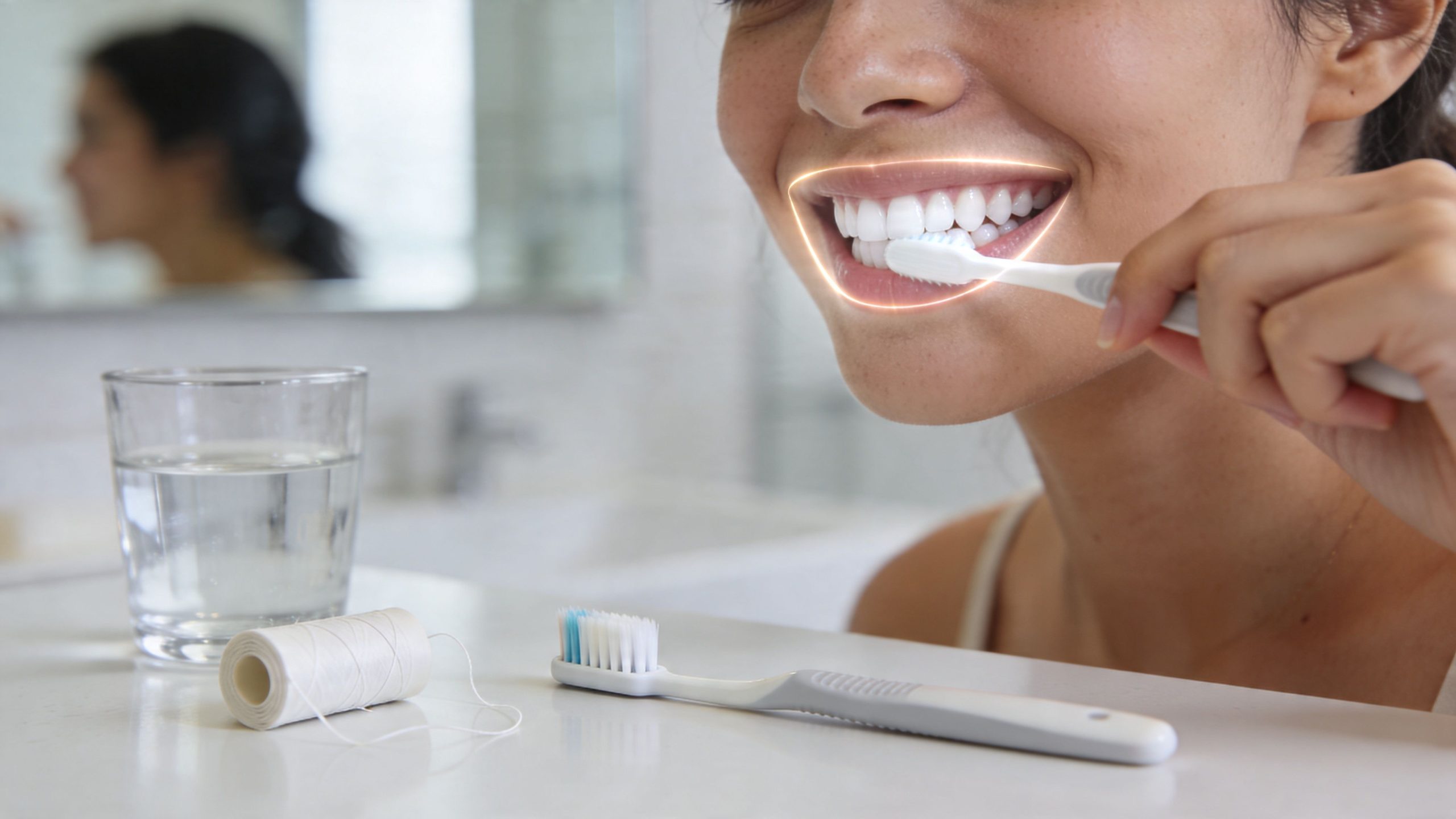
You step out into the San Diego sun, catch your reflection in a car window, and notice it right away. Your smile looks brighter, cleaner, and more polished than it did a few days ago. Then the practical question hits: how do you keep teeth white after whitening without slipping back into the same habits that caused staining in the first place?
That question comes up all the time after cosmetic dental treatment. Whitening works, but the result isn’t something you can ignore and expect to stay the same on its own. Coffee, tea, red wine, dark sauces, tobacco, plaque buildup, and even rough brushing can all work against the result you just paid for.
The good news is that keeping teeth white after whitening usually comes down to a manageable routine, not perfection. Patients in Rancho Bernardo, Poway, Rancho Peñasquitos, and Escondido don't need to give up normal life. They need a smart plan, a few timing rules, and a dentist in San Diego, CA who can help them maintain both color and enamel health.
Your Bright New Smile Awaits A Trusted Rancho Bernardo Dentist
You leave a whitening appointment, catch your reflection later that day, and notice how clean and bright your smile looks. Then the questions start. Can you have coffee this week, what should you do if your teeth feel zingy with cold water, and how do you keep the result looking good without overdoing it?
Those are the questions I hear every day from patients in Rancho Bernardo and nearby San Diego communities. Whitening can make a big difference quickly, but the best long-term results come from a plan that protects both color and comfort. That includes knowing how to handle sensitivity early, not just avoiding stain-heavy foods.
A common mistake shows up after the first few days. Patients stop being careful with dark drinks, start sipping iced coffee over several hours, or use a harsh whitening toothpaste twice a day because they want to hold onto the result. I also see the opposite problem. Some people become so cautious that they cut out too many foods or brush hard enough to irritate enamel and gums. A better approach is steady maintenance, regular cleanings, and sensitivity management that matches your teeth.
What patients usually ask after whitening
The questions are practical for a reason:
- Can I still drink coffee
- When can I have red sauce again
- Do whitening toothpastes help
- How often should I come in for a cleaning
- What if my teeth feel sensitive afterward
Good aftercare answers should be specific. Whitening results can last for months or longer depending on staining habits, home care, and the type of treatment used, as explained by the Cleveland Clinic's overview of teeth whitening options and upkeep.
Sensitivity deserves special attention here. Some patients only notice a mild chill with cold drinks. Others feel short, sharp sensitivity for a few days after treatment. In my office, that does not mean whitening went wrong. It usually means the teeth need time, gentler products, and sometimes desensitizing or remineralizing support to stay comfortable while the shade settles.
For patients considering professional teeth whitening options in Rancho Bernardo, I recommend choosing a dentist who talks about maintenance before treatment starts. The shade change matters, but so does making sure the process feels manageable for people who already have sensitive teeth or dental anxiety.
Why local follow-up matters
A trusted Rancho Bernardo dentist does more than brighten enamel. Follow-up visits help identify why a smile is losing brightness, whether the cause is plaque buildup, tartar, dry mouth, bite wear, gum recession, or daily habits like frequent snacking on dark sauces and berries.
That continuity is valuable because your smile plan stays connected. If sensitivity lingers, your dentist can adjust home products, recommend a lower-abrasion toothpaste, or use in-office desensitizing agents and remineralizing gels instead of telling you to push through it. Patients looking for one dental home for whitening, preventive care, fillings, veneers, crowns, or implants often do better with that kind of consistent oversight.
A brighter smile should feel good to maintain. It should not leave you guessing.
The First 48 Hours Immediate Aftercare for Lasting Results
You leave the whitening appointment, catch your reflection in the car mirror, and your teeth look great. Then the essential maintenance begins. The first two days matter because teeth can pick up new stains more easily during that short recovery window after whitening, a point also discussed by the Cleveland Clinic’s guidance on whitening aftercare.
That is also the window when sensitivity tends to be most noticeable. In practice, I tell patients to protect the color and protect comfort at the same time. Those goals usually go together.
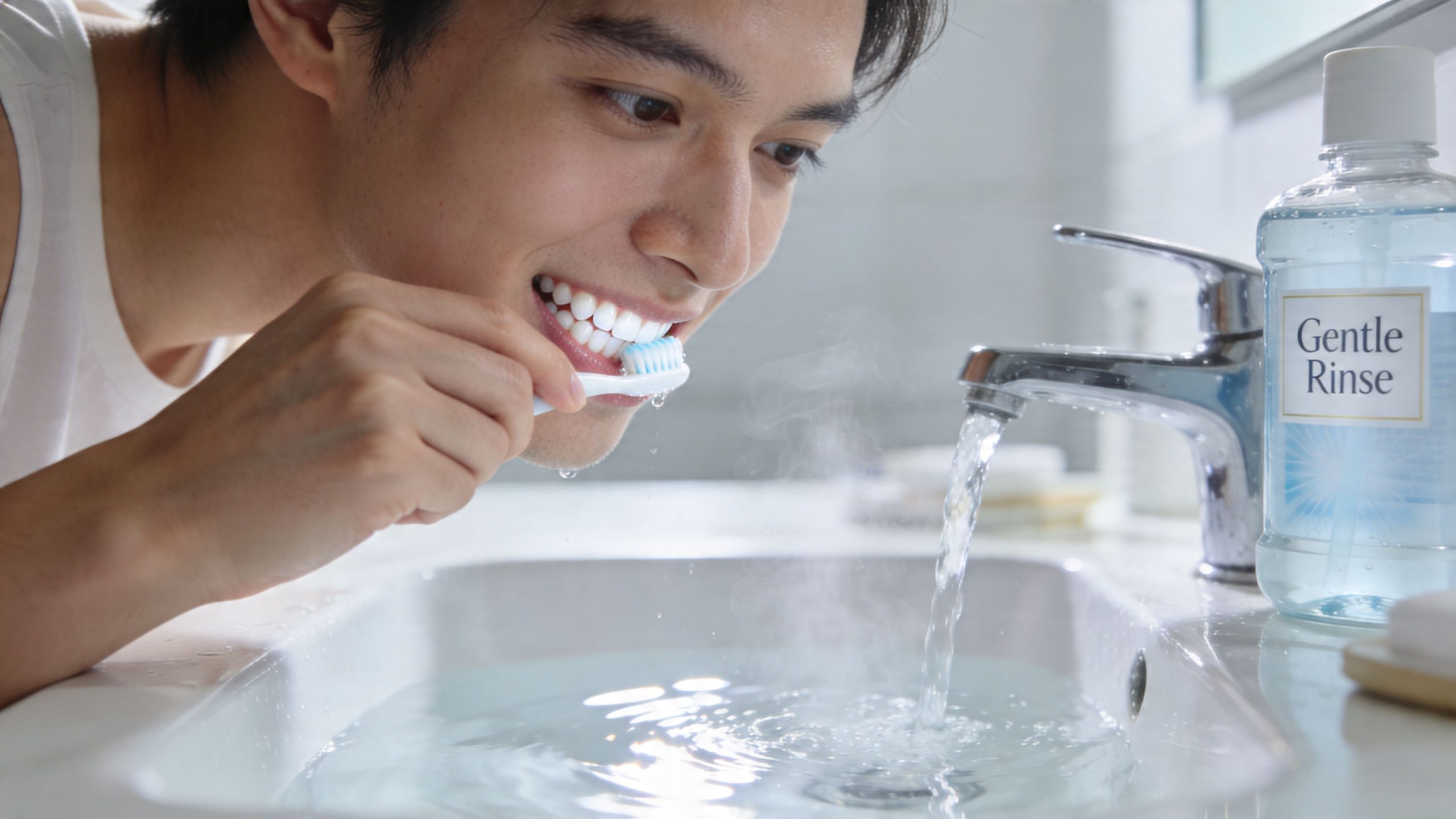
What to choose right away
For the first 48 hours, keep meals pale, mild, and low in acid. White fish, plain chicken, rice, oatmeal, yogurt, eggs, bananas, cottage cheese, and pasta with a light sauce are usually safe picks. Water and milk are the easiest beverage choices.
Temperature matters too. If teeth feel zippy after whitening, skip very cold drinks and very hot foods for a day or two. Lukewarm options are often more comfortable.
Patients are often relieved to hear this is temporary.
What to avoid during this window
Dark, acidic, or heavily pigmented foods and drinks are the biggest problem. The same goes for tobacco.
Try to avoid:
- Dark beverages such as coffee, tea, cola, sports drinks, and red wine
- Strongly colored foods such as berries, soy sauce, tomato sauce, curry, and dark condiments
- Tobacco products because they can stain quickly after whitening
- Very hot, very cold, or highly acidic items if your teeth already feel sensitive
A simple test helps. If it would stain a white shirt, a countertop, or a napkin, keep it out of the first two days.
Habits that protect both color and comfort
Drink water often. Rinse after meals. Use a straw for anything with color if you cannot avoid it. Hold off on the “one quick coffee” habit until the window passes.
If you were given a sensitivity gel or remineralizing product after treatment, use it exactly as directed. This is one of the biggest differences between generic whitening advice and dentist-guided aftercare. For patients with sensitive teeth, post-whitening comfort often improves with fluoride, potassium nitrate, or a remineralizing gel rather than trying to tough it out.
That short stretch of discipline usually pays off. Patients who follow these steps tend to keep more of their initial brightness and have a smoother recovery in the first couple of days.
Your Daily Oral Hygiene Routine for a Whiter Smile
After the early aftercare window passes, maintenance becomes a home routine issue. The people who keep teeth white after whitening the longest usually aren’t doing anything extreme. They’re brushing correctly, flossing consistently, and choosing products that support enamel instead of scraping at it.
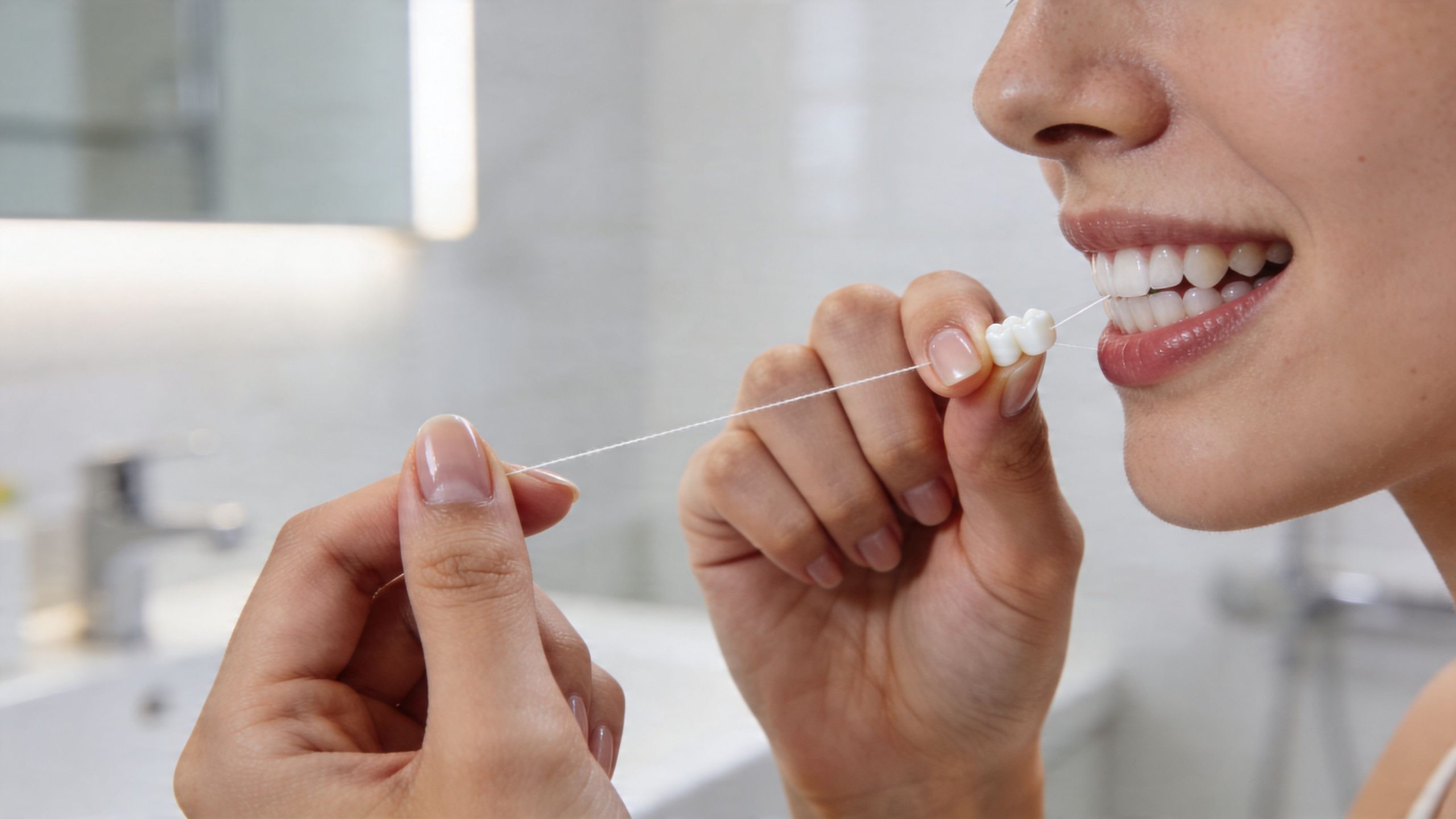
A strong post-whitening routine includes brushing twice daily for 2 minutes with an ADA-approved whitening toothpaste containing 1,100 to 1,500 ppm fluoride and mild abrasives. That kind of toothpaste can remove 20 to 30% more surface stains than regular paste, and daily flossing helps disrupt plaque biofilms that hold stain-causing chromogens, according to this post-whitening hygiene guidance.
The right brushing routine
Technique matters as much as product choice. A whitening toothpaste can help with surface stain control, but hard scrubbing is not the answer. Use a soft-bristled toothbrush and light pressure. Think polish, not scour.
A good routine looks like this:
- Brush in the morning with a fluoride whitening toothpaste.
- Reach the gumline gently instead of sawing across the front teeth.
- Brush again before bed so stains, plaque, and food debris don’t sit overnight.
- Clean your tongue because bacteria and pigments collect there too.
Skip the urge to over-brush. Whitening maintenance should protect enamel, not wear it down.
Flossing is part of whitening maintenance
Many people think of flossing as a gum-health chore. It is, but it also matters for appearance. The spaces between teeth can hold plaque and darken faster than the visible front surfaces. If you skip flossing, your smile can start to look uneven even when the front of the teeth still seem bright.
That’s why daily flossing belongs in any real answer to how to keep teeth white after whitening. It helps remove the buildup that brushing leaves behind in tight contacts.
For patients who like visual guidance, this quick demonstration can help reinforce good habits at home.
Product choices that help and ones that don't
Some products support whitening maintenance. Others mostly create frustration.
| Product type | What works | What to watch out for |
|---|---|---|
| Whitening toothpaste | Useful for managing daily surface stains | Choose ADA-approved formulas with fluoride |
| Soft toothbrush | Gentle on enamel and gumlines | Replace worn brushes that stop cleaning well |
| Floss or floss picks | Helps remove plaque between teeth | Inconsistent use limits the benefit |
| Harsh charcoal or abrasive pastes | Often overhyped for long-term care | Can feel aggressive and aren't ideal after whitening |
The best daily routine is the one you’ll consistently do. Consistency beats occasional overcorrection every time.
Stain-Fighting Diet and Lifestyle Habits for San Diego Living
San Diego life makes whitening maintenance a little tricky in familiar ways. Morning coffee on the way through Rancho Bernardo. Iced tea at lunch. A glass of red wine with dinner. Berries, tomato sauces, and quick snacks between errands. None of that means whitening was a waste. It just means your habits have to work with your real life.
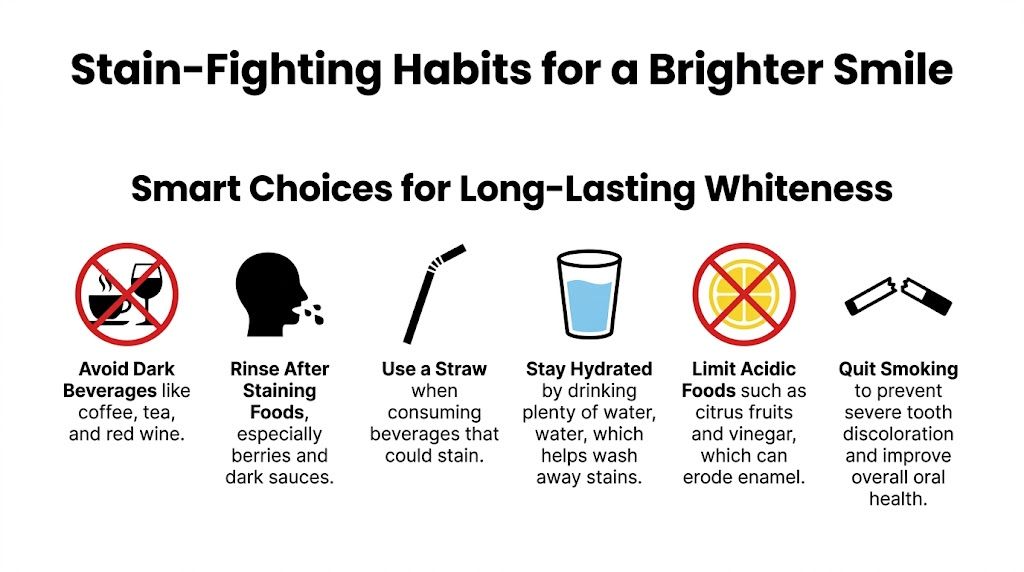
For sustained whiteness, limiting chromogen-rich items to one serving per day and rinsing with water within 5 minutes can reduce stain adhesion by 60%. Quitting tobacco is also critical because nicotine tar causes four times faster discoloration, according to this long-term whitening maintenance guidance.
The biggest culprits
Coffee and tea are common because many people expose their teeth slowly over hours, not minutes. That repeated contact matters. Red wine combines deep pigment with acidity. Tobacco is even tougher because it stains and contributes to broader oral health damage at the same time.
The answer usually isn't total elimination. It's reducing contact and cleaning up faster after exposure.
- Use a straw when it makes sense for iced coffee, iced tea, or dark beverages
- Rinse with water soon after instead of letting pigments stay on enamel
- Keep servings defined rather than sipping continuously
- Choose tobacco cessation support if smoking or vaping is part of the problem
Smarter swaps, not unrealistic rules
Most patients do better with practical substitutions than strict restrictions. If you love coffee, have it once and finish it rather than nursing it all morning. If you enjoy pasta, choose lighter sauces more often. If you snack frequently, pay attention to ingredient color and acidity.
That last part surprises people. Processed foods and drinks can hide dyes, acids, and syrups that work against a white smile. Learning reading food labels like a pro can help you spot darker additives and better understand what you're putting in your mouth every day.
Water is one of the simplest whitening tools you have. It doesn't bleach teeth, but it does help wash away pigments before they sit too long.
A few habits worth keeping
This isn't about making every meal feel clinical. It’s about building a few default behaviors.
Consider these long-term habits:
- Carry water regularly if you're out around San Diego during the day
- Pair staining foods with a rinse as a built-in cleanup step
- Be careful with tobacco because it can undo whitening faster than generally expected
- Think frequency, not just quantity because repeated exposure often causes more trouble than one planned indulgence
People searching for a dentist near me or cosmetic dentist near me often assume whitening maintenance is mostly about products. In reality, diet and routine usually make the biggest visible difference between touch-ups.
Managing Sensitivity and Preserving Your Enamel
Sensitivity is one of the main reasons people hesitate before whitening again. That concern is understandable. A bright smile isn't worth much if every sip of cold water feels sharp afterward.
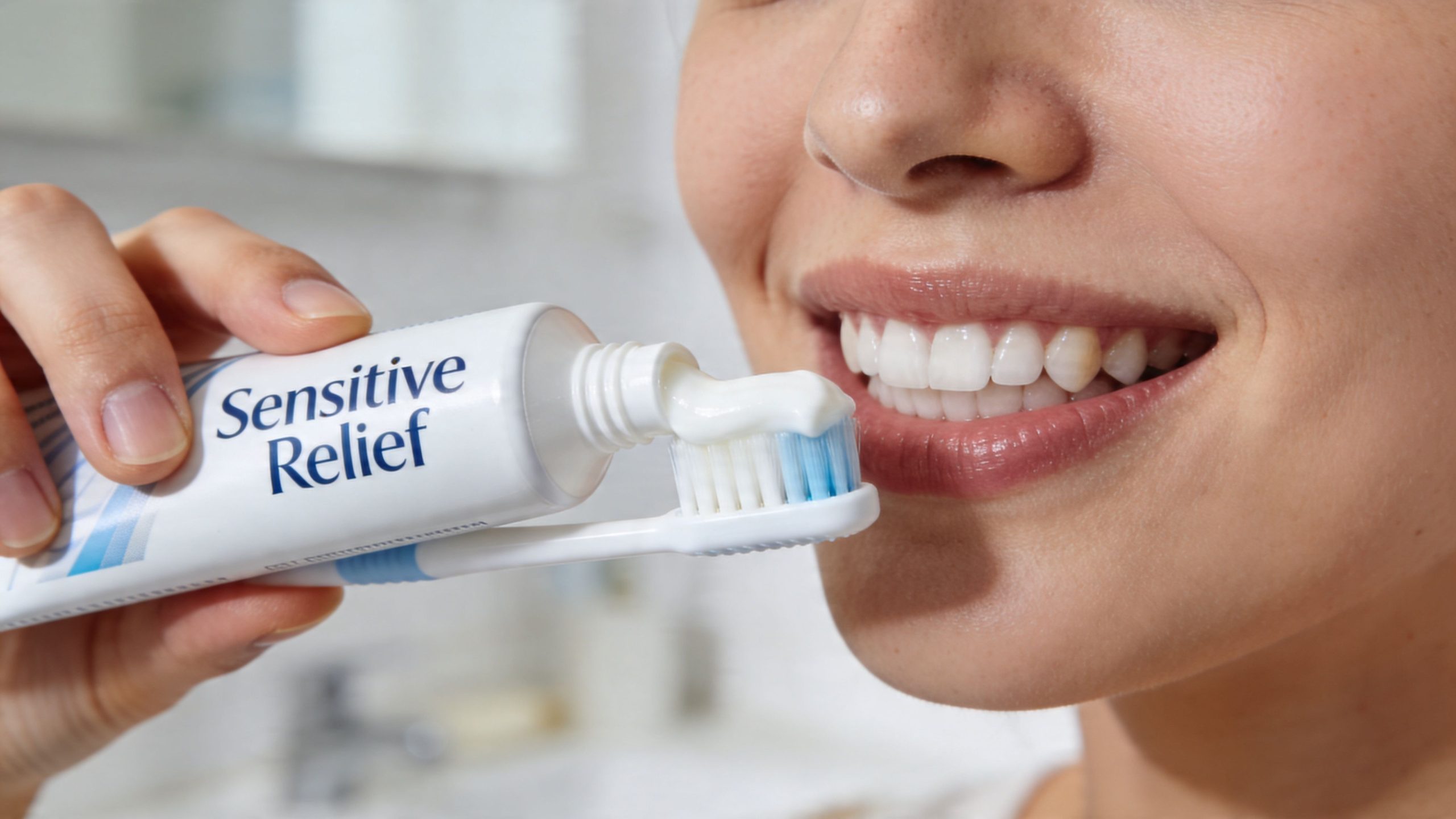
Post-whitening sensitivity affects up to 80% of patients, and advanced management can include professional desensitizing agents, fluoride varnishes, and remineralizing gels with nano-hydroxyapatite, which 2025 studies show can reduce sensitivity 40% faster than standard fluoride alone, according to this discussion of post-whitening comfort strategies.
What sensitivity usually means
In most cases, sensitivity after whitening is temporary. It doesn't automatically mean something went wrong. It does mean your teeth may need a gentler plan for follow-up care.
The biggest mistake is pushing through discomfort with more whitening products, stronger brushing, or random over-the-counter fixes. Sensitive teeth usually respond better to a structured approach.
Better options than just switching toothpaste
Sensitive toothpaste can help, but it’s only one tool. Patients with more noticeable symptoms may benefit from care that goes beyond the standard advice.
A dentist may recommend:
- Professional desensitizing agents to calm the nerve response after whitening
- Fluoride varnish applications to support enamel and reduce irritation
- Remineralizing gels designed to help restore comfort while preserving the whitening result
- Thoughtful timing for touch-ups so you're not re-treating during the most reactive period
If whitening made your smile brighter but your teeth feel zingers afterward, don't guess. Comfort can usually be improved with the right follow-up plan.
Why enamel protection matters
Some patients respond to sensitivity by brushing harder because the teeth feel “less clean,” especially after avoiding darker foods. Others buy extra-abrasive products hoping to hold onto color. That often backfires.
Preserving enamel is part of how to keep teeth white after whitening. Smooth, healthy enamel reflects light better and resists unnecessary wear. If you also clench or have TMJ symptoms, sensitivity can feel worse because irritated teeth already handle pressure poorly. In those cases, a more customized plan can make whitening maintenance much more comfortable.
For anxious patients, this kind of support matters. Cosmetic treatment should feel manageable, not stressful. A gentle approach often improves both comfort and consistency, which is what ultimately keeps the smile looking good.
Partner with Your San Diego Dentist for Long-Term Brightness
A few weeks after whitening, many patients notice the same thing. The smile still looks better, but coffee, tea, busy mornings, and mild sensitivity start to influence how well those results hold up. That is usually the point where a professional maintenance plan helps most.
Home care supports your result, but long-term color is easier to maintain when cleanings and exams stay on schedule. Professional cleanings remove hardened buildup that brushing cannot remove at home, and tartar is common among adults, as noted by the CDC overview of adult oral health. That matters because buildup can make teeth look dull even when the whitening itself is still holding.
Why regular visits matter after whitening
A cleaning does more than make teeth feel polished. It gives your dentist and hygienist a clear view of the enamel, gumline, existing dental work, and the areas that tend to pick up stain first. That is especially helpful if your teeth were sensitive after whitening, because maintenance should match your enamel tolerance, not just the calendar.
In practice, I often recommend planning touch-ups around preventive visits instead of waiting until the color drops off enough to bother you. Patients usually do better with that approach. It reduces the urge to overuse whitening products and gives us a chance to adjust the plan if you are dealing with dryness, recession, clenching, or lingering sensitivity.
Touch-ups should fit your teeth, not a generic schedule
Some smiles do well with occasional take-home whitening. Others are better served by a more conservative approach with longer spacing, lower-strength products, or added desensitizing support before and after treatment. Patients with bonding, crowns, or veneers also need a different conversation, because those materials do not whiten like natural enamel.
A good maintenance visit may include:
- A cleaning first so surface stain and buildup are not masking the result
- A review of sensitivity patterns to decide whether desensitizing agents or remineralizing products should be part of the plan
- A discussion about timing based on your diet, travel, photos, events, and past response to whitening
- Shade planning with existing dental work if fillings, bonding, crowns, or veneers affect the overall look of your smile
That kind of coordination matters. Whitening is simple for some patients and more nuanced for others.
One dental home makes maintenance easier
When the same office follows your cleanings, whitening history, restorations, and comfort level over time, recommendations become more accurate. We can spot when a touch-up makes sense, when sensitivity needs to be treated first, and when whitening alone will not give you the even result you want.
If you want help comparing maintenance options, this guide to the best teeth whitening options in San Diego explains how in-office treatment and take-home systems fit different goals and sensitivity levels.
A bright smile usually lasts longer with steady support, not repeated guesswork. If you are in Rancho Bernardo or nearby San Diego communities, our team can help you keep your results looking fresh while protecting comfort and enamel along the way.
If you're ready to keep your smile bright with a plan that fits your lifestyle, schedule a visit with Pegah S. Salami, DMD, FAGD. Patients in Rancho Bernardo, Rancho Peñasquitos, Poway, Escondido, and nearby San Diego communities can get personalized guidance on whitening maintenance, cleanings and exams, sensitivity care, and cosmetic options designed to protect both comfort and results.





