
What Impacts the Price of Tooth Implants?
Restoring your smile with dental implants is a major decision that brings significant benefits to your oral health and confidence. When you start researching your options, one of the first questions that comes to mind is often about the cost. The price of tooth implants can vary widely from one patient to another, and understanding the reasons behind these differences can help you plan your treatment more effectively.
Dental implants are widely considered the gold standard for replacing missing teeth. Unlike dentures or bridges, implants provide a permanent foundation that mimics the natural root of a tooth. This unique structure prevents bone loss in the jaw and restores full chewing function. Because the procedure is highly customized to your specific anatomy and dental needs, the final price reflects a combination of materials, medical expertise, and the complexity of your individual case.
Navigating the financial aspect of dental care does not have to be overwhelming. By breaking down the individual components and procedures involved in the implant process, you can clearly see exactly what you are paying for. This guide explains the nine main factors that influence the price of tooth implants, giving you the knowledge you need to make the best choice for your health and budget.
Components of a Dental Implant
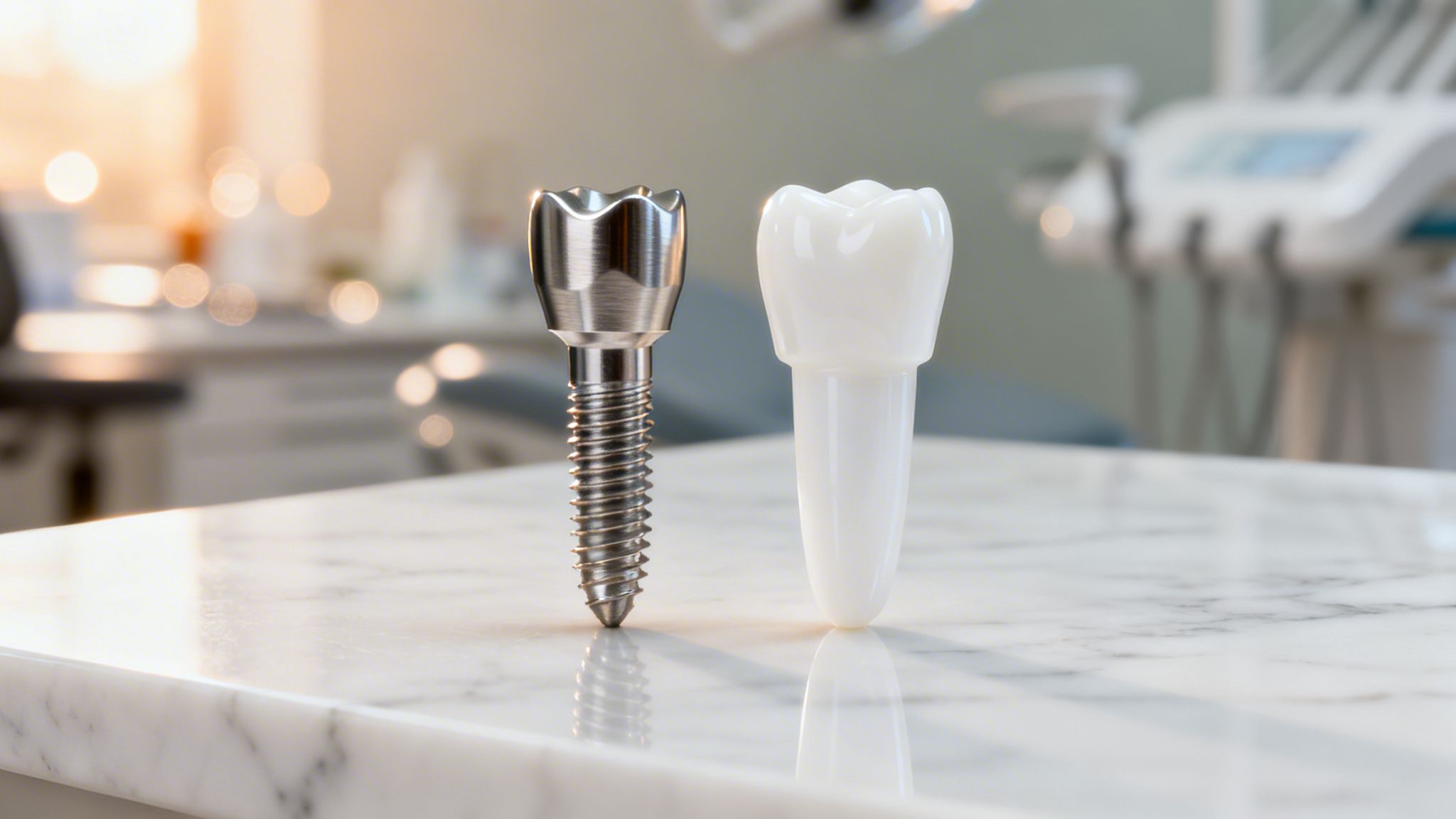
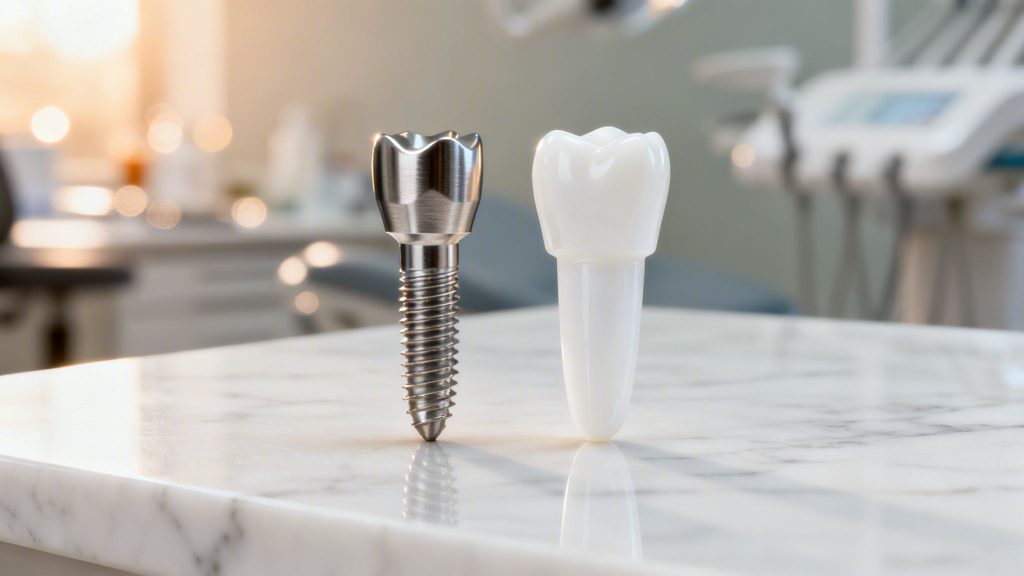
To understand the cost of the procedure, it helps to understand the physical parts of the implant itself. A dental implant is not a single piece. It is typically made up of three distinct components, each with its own manufacturing and material costs.
The Implant Post
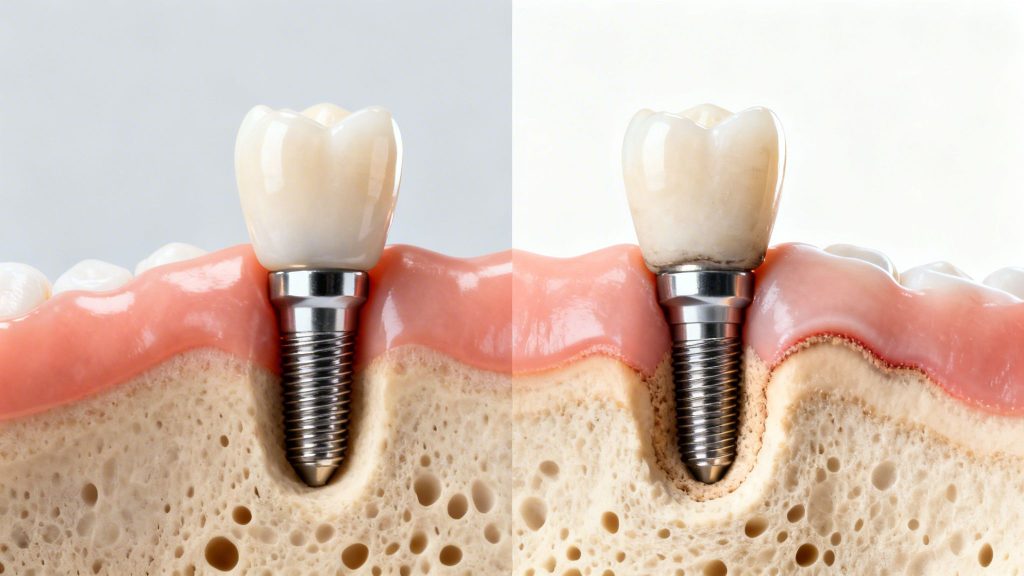
The implant post is the foundation of the entire structure. Usually made from biocompatible titanium, this small screw is surgically placed directly into your jawbone. Over time, the bone fuses to the titanium through a process called osseointegration. This ensures the implant remains firmly in place, acting just like a natural tooth root. Titanium is highly durable and safe for the human body, which contributes to the material cost.
The Abutment
Once the implant post has fully fused with the jawbone, a connector piece called an abutment is attached to the top of it. The abutment sits just above the gum line and serves as the secure anchor point for the final artificial tooth. Depending on the location of the tooth and your specific needs, abutments can be made from titanium, gold, or zirconia.
The Dental Crown
The dental crown is the visible part of the implant that looks and functions like a natural tooth. Crowns are custom-made in a dental laboratory to match the exact color, shape, and size of your surrounding teeth. High-quality materials like porcelain or ceramic are commonly used to ensure the new tooth looks realistic and can withstand the daily forces of biting and chewing.
Price of Tooth Implants
Factors Influencing the Cost of Dental Implants
Several variables come into play when a dental office calculates the cost of your treatment plan.
Number of Implants Needed
Replacing a single missing tooth is generally more affordable than addressing multiple teeth or an entire arch. Interestingly, replacing several teeth does not always require a one-to-one ratio of implants to teeth. For instance, an implant-supported bridge might use two implant posts to anchor three or four prosthetic teeth. This efficiency can significantly reduce costs compared to placing individual implants for each missing tooth.
Quality of Materials
The materials used in dental implants vary in quality and cost. High-end options, such as premium titanium for implants and porcelain for crowns, often come with greater durability and aesthetic appeal. While these materials are more expensive initially, they tend to last longer, integrate better with natural tissues, and have fewer complications. Investing in quality materials can lead to lower maintenance and greater overall satisfaction in the long term.
Diagnostic Imaging and Planning
Modern implant dentistry relies heavily on advanced technology. 3D CBCT scans and digital X-rays allow your dentist to map out your jawbone, locate nerves, and plan the exact angle and depth of the implant placement. These diagnostic tools are essential for a safe and successful surgery, and the cost of these scans is usually factored into your overall treatment plan.
The Role of the Dentist’s Expertise and Location
The experience level and specialization of the professional performing your surgery have a direct impact on the overall cost. Placing a dental implant is a complex surgical procedure that requires meticulous precision, a deep and nuanced understanding of facial anatomy, and extensive specialized training beyond general dentistry. As a result, dentists and oral surgeons with years of focused experience, advanced certifications in implantology, and a proven track record of successful placements often charge more for their refined expertise. While it might be tempting to opt for a cheaper provider, paying for a highly skilled professional is an investment in your health, as it significantly minimizes the risk of complications like implant failure or nerve damage and ensures the best possible long-term cosmetic outcome.
Additionally, geographic location plays a significant role in determining dental costs. Dental practices located in major metropolitan areas or regions with a higher cost of living naturally face higher overhead expenses. These operational costs, which include commercial rent, competitive staff salaries, and local laboratory fees, are inevitably reflected in the prices of the procedures they offer. A clinic in a dense urban center will likely have higher pricing than a similar practice in a smaller town or suburban area.
Price of Dental Implants
Understanding Additional Procedures
Many patients require preparatory procedures before their jaw is ready to receive an implant. These additional steps ensure the implant has a solid foundation, but they do add to the total cost and timeline of the treatment.
Tooth Extractions
If you have a damaged or severely decayed tooth that needs to be removed before an implant can be placed, the extraction will be an additional cost. The complexity of the extraction depends on factors such as whether the tooth is fully erupted, broken at the gum line, or impacted. Each situation requires a specific approach, which can affect both the procedure’s difficulty and expense.
Bone Grafting
When a tooth has been missing for an extended period, the jawbone in that area often shrinks and deteriorates. For an implant to be placed securely, a certain level of bone density is required. If your bone is too thin or soft, a bone graft may be necessary. This involves adding bone grafting material to the affected area to strengthen and build up the jawbone.
Sinus Lifts
A sinus lift is a specialized type of bone graft performed in the upper jaw, near the premolars and molars. If the sinus cavity is too close to the jawbone, there may be insufficient room for the implant post. This procedure involves gently lifting the sinus membrane and placing bone beneath it to create adequate space for a stable implant.
Insurance and Financing Options
Paying for dental implants is a significant investment, but various financial tools can help make the procedure more accessible.
Dental Insurance Coverage
Historically, many dental insurance plans viewed implants as an elective or cosmetic procedure, offering little to no coverage. Fortunately, this is changing. Many modern dental policies cover at least a portion of the implant process, such as the crown or the extraction of the damaged tooth. It is highly recommended to review your specific policy details with your provider.
Flexible Payment Plans
Most dental practices understand that out-of-pocket costs can be steep. Many offices offer in-house financing or partner with third-party healthcare lenders like CareCredit. These options allow you to break the total cost of your implants into manageable monthly payments, often with low or zero interest if paid within a certain timeframe.
Why Choose Pegah Salami for Your Dental Implants?
When you decide to invest in a dental implant, choosing the right provider is the most critical step. At the practice of Dr. Pegah Salami, patient safety, comfort, and exceptional results are the top priorities.
Dr. Pegah Salami brings extensive expertise and a gentle approach to every implant procedure. From your initial consultation to the final placement of your custom crown, her team utilizes state-of-the-art diagnostic technology to ensure precise planning. The practice at Pegah Salami is dedicated to using high-quality, durable materials that promote successful osseointegration and a beautiful, natural-looking smile.
Transparency is a core value of the practice. Dr. Pegah Salami and her staff will thoroughly review your custom treatment plan, explain every step of the process, and provide a clear breakdown of the costs involved so you are never caught off guard.
Dental Implants Pricing
The Long-Term Value of Dental Implants
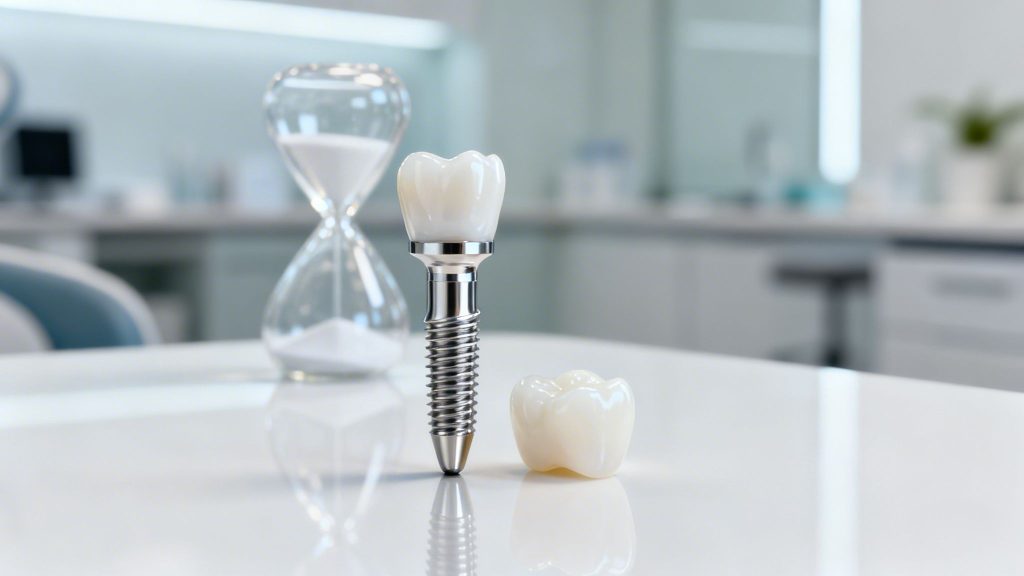
While the initial cost of a dental implant is higher than traditional alternatives like dentures or standard dental bridges, the long-term value is unmatched. Traditional bridges require altering healthy adjacent teeth, and they typically need to be replaced every five to ten years. Dentures can slip, cause sore spots, and require messy adhesives.
Dental implants, on the other hand, are designed to last a lifetime with proper care. You care for them exactly as you would your natural teeth—with regular brushing, flossing, and routine dental checkups. Because they replace the tooth root, implants actively stimulate the jawbone, preventing the bone loss that inevitably causes facial sagging and premature aging. When you calculate the cost of replacing bridges or relining dentures over a lifetime, dental implants often prove to be the most cost-effective and convenient choice.
Making an Informed Decision About Your Smile
Choosing to get a dental implant is a highly rewarding investment in your health and confidence. The varying prices associated with this procedure directly reflect the customized care, premium materials, and necessary preparatory treatments required to rebuild your smile safely.
By taking the time to understand these components and factors, you can approach your treatment with confidence. If you have missing teeth and are considering your replacement options, professional guidance is your best resource. Schedule a consultation with Dr. Pegah Salami today to receive a comprehensive evaluation, discuss your unique needs, and take the first step toward a permanent, beautiful smile.





