

Root Canal Pricing Explained: Why Some Cases Cost More Than Others
Hearing that you need a root canal can instantly bring up a wave of questions. Most people immediately wonder about the procedure itself. Right after that, the mind shifts to the cost. Dental care is an investment, and understanding how that investment breaks down can bring peace of mind.
Many patients are surprised to learn that the cost of this procedure is not a flat rate. Two people getting the exact same type of treatment might end up with different bills. This happens because no two teeth are exactly alike, and no two dental situations are identical.
If you are facing an upcoming dental procedure and want to know how the billing works, you are in the right place. We will walk through exactly how root canal pricing is determined. By the end of this guide, you will know exactly what drives the cost up or down, how to read your dental bill, and how the practice of Dr. Pegah Salami can help you navigate your oral health journey.
The Basics of Root Canal Treatment and Why It’s Needed
Before breaking down the costs, it helps to understand what a root canal actually achieves. Deep inside your tooth lies a soft tissue called the pulp. This pulp contains blood vessels, nerves, and connective tissue. When a tooth is severely decayed or cracked, bacteria can enter this inner chamber and cause a painful infection.
A root canal is a procedure designed to save the infected tooth. Your dentist or endodontist carefully removes the infected pulp, cleans and disinfects the hollowed-out area, and fills it with a special rubber-like material to seal it off. Finally, the tooth is usually topped with a crown to restore its strength and function.
Saving your natural tooth is almost always the preferred clinical outcome. It allows you to maintain your normal biting force, keeps your surrounding teeth from shifting, and preserves your natural smile.
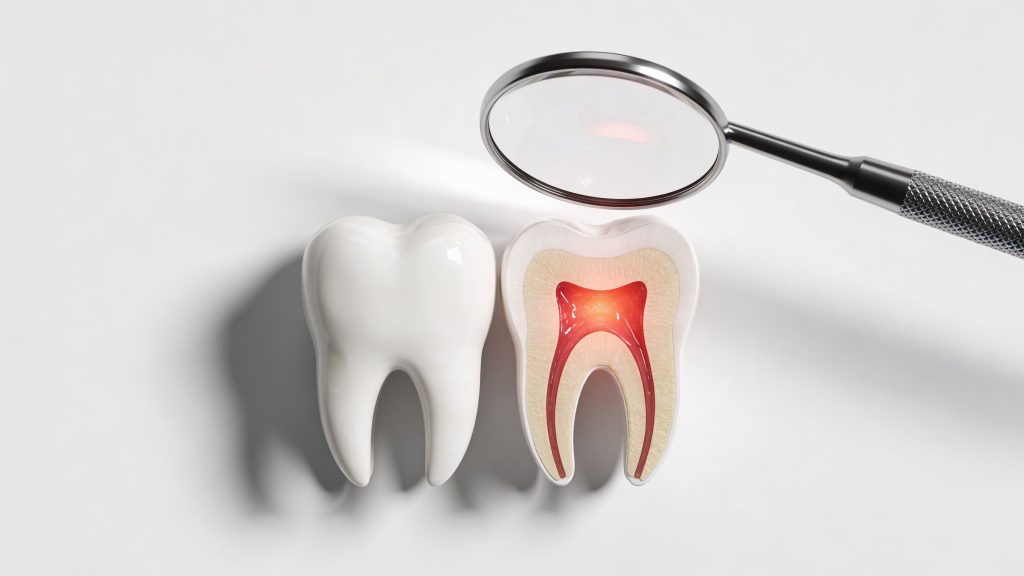
Root Canal
Factors Influencing Root Canal Pricing: A Detailed Breakdown
The price of a root canal varies widely. Several different factors come into play when your dentist calculates the final cost of your treatment.
The Location of the Tooth
The most significant factor in pricing is which tooth needs to be treated. Teeth are not all built the same way.
Front Teeth: Your front teeth (incisors and canines) typically have only one root and one root canal. Because they are easier to access and faster to treat, root canals on front teeth are usually the least expensive.
Bicuspids (Premolars): These teeth sit in the middle of your mouth. They usually have one or two roots. Treating them is slightly more difficult than treating a front tooth, so the cost is generally higher.
Molars: Molars are the large teeth at the back of your mouth. They typically have two or three roots, and each root can contain multiple canals. Because molars are harder to reach and take much more time to clean and seal properly, they are the most expensive teeth to treat.
Who Performs the Procedure
General dentists can perform root canals, and their fees are often standard. However, if your case is complicated, your general dentist might refer you to an endodontist. An endodontist is a dental specialist who focuses specifically on the inside of the tooth. Because they have advanced training and specialized equipment, their fees are generally higher than those of a general dentist.
Geographic Location
Where you live affects the cost of dental care. Dental practices in large cities with a high cost of living generally charge more than clinics in rural areas.
Additional Dental Restorations
The root canal itself is only one part of the cost. After the infected pulp is removed, the tooth becomes fragile. In almost all cases, especially with molars, you will need a dental crown placed over the treated tooth to protect it and restore its strength. The cost of the crown, the build-up material used to support it, and the temporary filling will add to your total bill.
Complex Cases: When Root Canal Costs Increase
Sometimes, a routine root canal turns into a complex medical situation. When a case requires extra time, specialized tools, or additional appointments, the price goes up.
Severe Infections and Abscesses
If the infection has spread beyond the tooth and into the surrounding bone, the treatment becomes much more complicated. The dentist may need to clean the tooth, medicate it, and place a temporary filling. You will then have to return for a second or third visit to ensure the infection is completely gone before the tooth can be permanently sealed. Extra visits mean extra costs.
Calcified Canals
As we age, or if a tooth has experienced trauma, the canals inside the roots can shrink or become blocked by calcium deposits. Finding and navigating these narrow, calcified canals is extremely difficult. The dentist or endodontist will need to use special microscopes and tiny instruments to carefully clean the space. This takes a significant amount of time and skill, which increases the overall fee.
Retreatments
Sometimes, a tooth that had a root canal years ago becomes infected again. This happens if the original seal breaks down or if a new cavity forms on the tooth. A retreatment is much harder than a first-time root canal. The dentist has to remove the old filling material, search for hidden canals that might have been missed the first time, clean the tooth again, and reseal it. Because retreatments are highly complex, they cost more than initial root canals.

Understanding Your Bill: What to Expect from Your Provider
Dental bills can be confusing. When you receive a treatment plan or an invoice, it usually contains several different billing codes. Knowing what these codes represent can help you understand exactly what you are paying for.
Diagnostic Exams: Before doing any work, the dentist needs to examine the tooth. This includes the consultation fee and the cost of X-rays to see the shape of the roots and the extent of the infection.
The Root Canal Therapy: This is the core code for the procedure. It will usually specify whether the treatment was performed on an anterior (front) tooth, a bicuspid, or a molar.
Core Build-up: After the pulp is removed, the hollow tooth needs to be built back up with filling material so it can support a crown.
Dental Crown: If you are getting a dental crown from the same dentist, this will be listed separately. The cost depends on the material used, such as porcelain, ceramic, or metal.
Always ask your dental office for a detailed treatment estimate before the procedure begins. A good provider will sit down with you, explain each line item, and make sure you understand the total expected cost.
Root Canal at Pegah Salami: Our Approach to Affordable Care
Finding a trusted dental provider makes all the difference when dealing with tooth pain. At the practice of Dr. Pegah Salami, patient comfort and transparent pricing are top priorities.
Dr. Pegah Salami and her experienced team understand that facing a root canal can be stressful. They take the time to thoroughly evaluate your specific situation using advanced imaging technology. This allows them to create a precise, accurate treatment plan.
The team at Dr. Pegah Salami’s office believes that financial surprises should never be part of your dental care. Before you sit in the chair for your procedure, their staff will walk you through your personalized treatment estimate. They will explain exactly what work needs to be done, why it is necessary, and how much it will cost. This commitment to honest, transparent communication ensures that you can focus entirely on your health and recovery, rather than worrying about hidden fees.
Insurance and Payment Options: Making Your Treatment Affordable
Paying for a root canal does not have to drain your savings. There are several ways to manage the cost of your dental care.
Dental Insurance
If you have dental insurance, it will typically cover a portion of the root canal cost. Most insurance plans classify root canals as a “major” or “basic” restorative procedure. Depending on your specific policy, insurance usually covers between 50% and 80% of the cost after your deductible is met. Keep in mind that most dental insurance plans have an annual maximum limit. The billing team at Dr. Pegah Salami’s office can help you verify your benefits and maximize your coverage.
Flexible Spending Accounts (FSA) and Health Savings Accounts (HSA)
If you have an FSA or an HSA through your employer, you can use these pre-tax funds to pay for your root canal. This is an excellent way to cover out-of-pocket expenses, including deductibles and copayments.
Payment Plans and Financing
Many dental offices offer flexible payment plans. Third-party financing companies, such as CareCredit, allow you to spread the cost of your treatment over several months. Many of these plans offer interest-free periods if the balance is paid in full within a specific timeframe. Ask your dental office about the financing options they accept to make your treatment fit comfortably into your monthly budget.
Root Canal Treatment Service
The Long-Term Value: Why Saving Your Tooth is a Worthwhile Investment
When faced with the cost of a root canal, some patients ask if it would just be cheaper to pull the tooth. While an extraction has a lower upfront cost, it is rarely the best financial or medical choice in the long run.
When a tooth is extracted, a gap is left in your smile. The teeth surrounding that gap will naturally start to shift and tilt into the empty space. This ruins your bite alignment and can lead to jaw pain and difficulties chewing. To prevent this, the missing tooth must be replaced with a dental bridge or a dental implant.
Dental implants and bridges are highly invasive and extremely expensive. The total cost of an extraction followed by an implant is almost always much higher than the cost of a root canal and a crown. By choosing a root canal, you save your natural tooth, maintain your bone structure, and avoid the high costs of future tooth replacement procedures. It is an investment in the long-term health and function of your mouth.
Making Informed Decisions for Your Oral Health
Dealing with dental pain is exhausting, and worrying about the cost only adds to the stress. By understanding how the location of the tooth, the complexity of the infection, and necessary restorations impact the final price, you can approach your treatment with confidence.
Your natural teeth are designed to last a lifetime. A root canal is a highly effective, safe procedure that stops the pain and preserves your natural smile.
If you are experiencing tooth pain or have been told you need a root canal, do not wait for the situation to worsen. Reach out to the practice of Dr. Pegah Salami today to schedule a consultation. Their dedicated team will help you understand your options, maximize your insurance benefits, and provide the high-quality care you deserve.
 Dr. Pegah Salami is an orthodontist, cosmetic dentist, sedation dentist, and Invisalign specialist. Her office is located in Rancho Bernardo and serving San Diego County. Dr. Salami is a member of several prestigious dental organizations.





