
Are Dental Crowns Covered by Insurance? What Patients Should Know
Dental crowns play a vital role in maintaining oral health. When a tooth is severely damaged or decayed, a crown acts as a protective cap. It restores the tooth’s shape, size, strength, and appearance. Many patients find themselves needing this treatment at some point in their lives.
However, realizing you need a dental crown often brings up immediate questions about cost. Dental procedures can be a significant investment. Patients frequently worry about how much they will have to pay out of pocket and how much their insurance will actually cover. Navigating the world of dental insurance policies can feel confusing and overwhelming for most people.
At the dental practice of Dr. Pegah Salami, we understand these financial concerns. We believe that everyone deserves a healthy, confident smile without the stress of hidden costs. Our team serves as a trusted partner in your dental care, offering personalized guidance every step of the way. We help you understand your treatment needs, break down the associated costs, and figure out exactly what your insurance covers.
What Are Dental Crowns and Why Are They Needed?
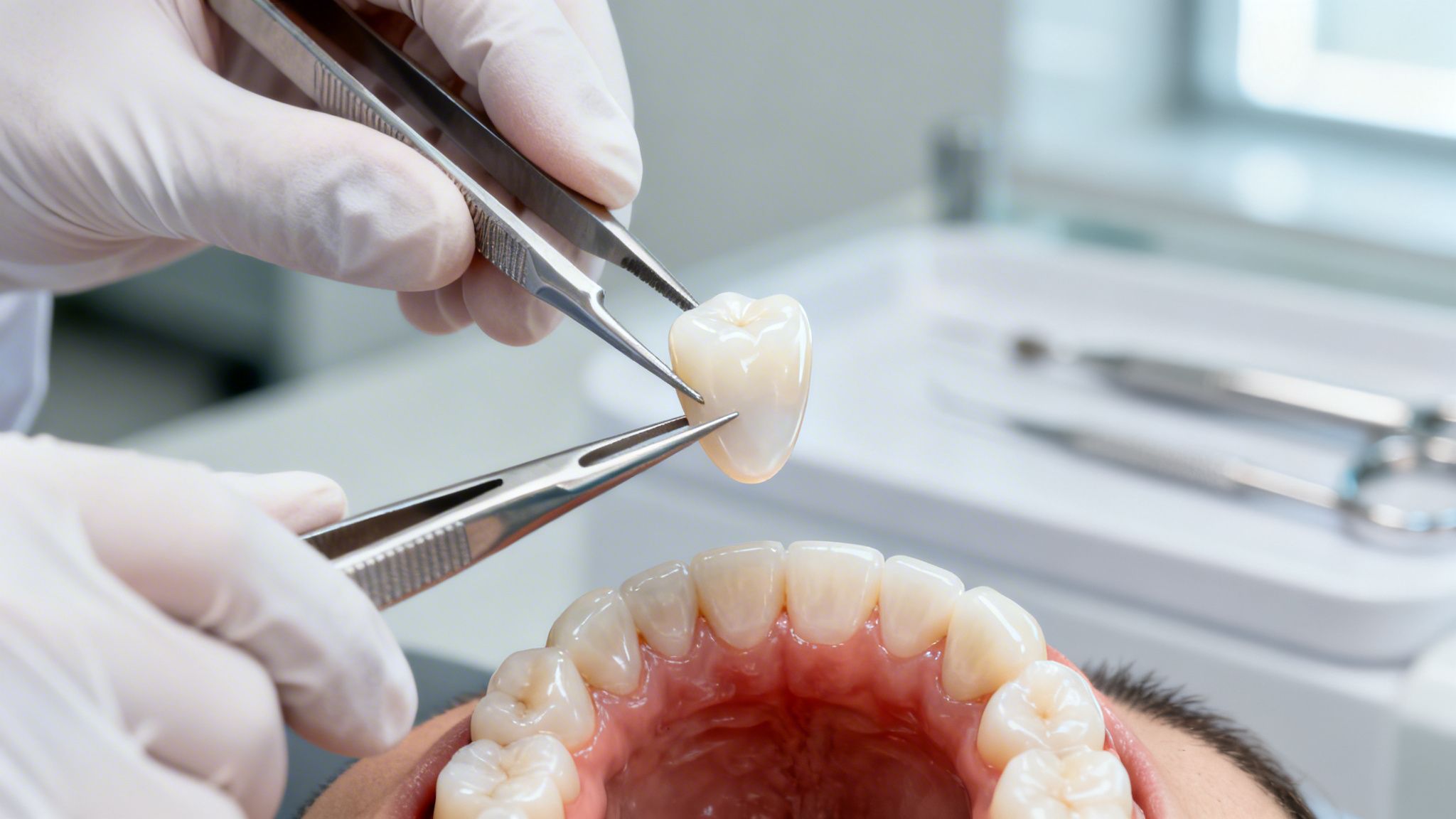
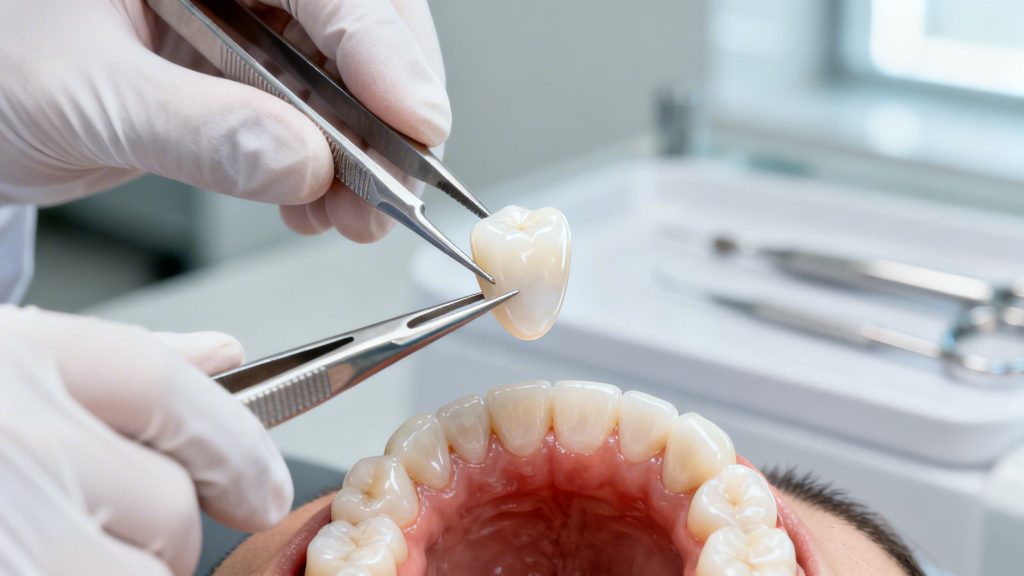
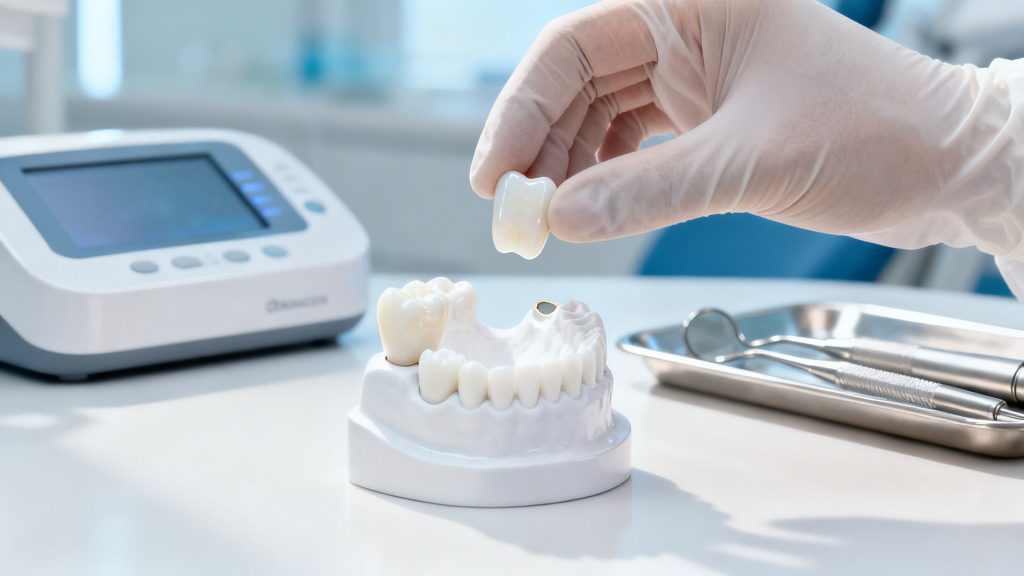
A dental crown is a custom-made cap placed over a tooth. Once cemented into place, it completely encases the visible portion of the tooth that lies at and above the gum line. The primary purpose of a crown is to restore a damaged tooth to its original shape and function, while also protecting it from further harm.
There are several common scenarios where a dentist will recommend a dental crown.
Repairing Cracked or Broken Teeth
If a tooth is cracked, a crown holds the pieces together and prevents the damage from worsening. For teeth that are already broken or severely worn down, a crown restores their structure and allows you to chew comfortably again.
Following a Root Canal
After a root canal procedure, the treated tooth becomes fragile. A crown is almost always placed over the tooth to protect it from fracturing. Additionally, the crown seals the tooth, preventing future infections and maintaining its integrity.
Cosmetic Improvements
Crowns are also used for cosmetic reasons, such as covering severely discolored or misshapen teeth. They provide a uniform and aesthetically pleasing smile. Furthermore, crowns are often used to cover dental implants or secure a dental bridge in place efficiently.
Dental Crown Implant Pricing
The Cost of Dental Crowns: What to Expect
The cost of a dental crown varies widely based on several factors. Understanding these elements can help you anticipate your potential expenses.
Materials Used
The type of material chosen for your crown significantly impacts the price. Crowns can be made from stainless steel, all-resin, all-ceramic, porcelain fused to metal, or solid alloys like gold. Ceramic and porcelain crowns tend to be more expensive due to their natural appearance, while metal crowns are often highly durable but less aesthetically pleasing.
The Complexity of the Procedure
If the tooth requires extensive preparation, such as a core build-up or a root canal before the crown can be placed, the overall cost of your treatment will increase. These additional procedures are necessary to ensure the crown fits properly and functions correctly, adding both time and expense to the process.
Location and Expertise
Dental costs also fluctuate based on geographic location and the specific expertise of the dentist performing the procedure. Urban areas or regions with higher living costs often come with increased rates for dental services. Similarly, highly specialized providers or those with advanced training may charge more, reflecting their additional skills and experience.
Dr. Pegah Salami is committed to transparent pricing. During your consultation, our team will provide a clear breakdown of the expected costs for your specific situation. We ensure you have all the information needed to make an informed decision about your oral health.
Understanding Dental Insurance Coverage for Crowns
Dental insurance operates differently than standard medical insurance. It generally focuses on preventive care and sets limits on how much it will pay for restorative procedures each year.
Coverage for Major Procedures
Most dental insurance plans categorize procedures into three classes: preventive, basic, and major. Dental crowns are almost always classified as major restorative procedures. Because of this classification, insurance plans typically cover about 50% of the cost of a dental crown, leaving the patient responsible for the remaining half.
Key Insurance Terms to Know
To understand your out-of-pocket costs, you need to be familiar with a few key terms:
Deductible: This is the amount you must pay out of pocket before your insurance starts covering procedures.
Co-pay or Co-insurance: This represents the percentage of the procedure cost you are required to pay after meeting your deductible.
Annual Maximum: This is the highest amount your dental insurance will pay for your care within a 12-month period. Once you hit this limit, you are responsible for 100% of any additional dental costs for that year.
Dr. Pegah Salami’s front office team is highly experienced in dealing with insurance providers. We help our patients navigate their specific plans, verify coverage details, and calculate exact out-of-pocket estimates before any treatment begins.
Dental Crowns
Factors That Affect Insurance Coverage for Crowns
Even if your plan covers major procedures, certain conditions might affect your actual benefits.
Pre-Existing Conditions and Waiting Periods
Some dental insurance policies include waiting periods. If you recently purchased your plan, you might have to wait six to twelve months before the insurance will pay for a major procedure like a crown. Additionally, some plans have a “missing tooth clause,” meaning they will not cover a crown or bridge for a tooth that was extracted before the policy went into effect.
Cosmetic vs. Medically Necessary Procedures
Insurance companies strictly differentiate between procedures done for health reasons and those done for cosmetic purposes. If a crown is needed to save a decaying tooth or restore function, insurance will likely cover their portion. If the crown is requested solely to improve the appearance of an otherwise healthy tooth, the insurance company will usually deny the claim.
Dr. Pegah Salami ensures you fully understand your coverage. We submit pre-treatment estimates to your insurance company. This pre-authorization confirms exactly what the insurance will pay and what your financial responsibility will be, eliminating unwanted surprises.
Tips to Maximize Your Insurance Benefits
With strategic planning, you can make the most of your dental insurance benefits and minimize your out-of-pocket expenses for a dental crown.
Strategic Scheduling
Because dental insurance plans have an annual maximum that resets every year (usually on January 1st), timing your procedure can be highly beneficial. If you need extensive restorative work, you might be able to have the preparatory work done at the end of one year and the final crown placement at the beginning of the next. This allows you to split the cost across two different annual maximums.
Utilizing FSAs and HSAs
Flexible Spending Accounts (FSAs) and Health Savings Accounts (HSAs) are excellent tools for covering dental expenses. These accounts allow you to set aside pre-tax dollars specifically for medical and dental costs. Using funds from your FSA or HSA to pay for your portion of the dental crown can result in significant tax savings.
Dr. Pegah Salami’s office provides comprehensive assistance with insurance claims and paperwork. The administrative staff knows exactly how to code procedures and submit pre-treatment estimates to insurance companies, ensuring you receive the maximum reimbursement possible under your plan.
What to Do If Your Insurance Doesn’t Cover Crowns
Sometimes, patients do not have dental insurance, or their specific plan refuses to cover the cost of a crown. It is crucial not to delay treatment, as ignoring a damaged tooth can lead to severe infections, extreme pain, and eventually tooth loss.
Exploring Alternative Payment Options
If insurance falls short, there are other ways to manage the cost. Many third-party financing companies offer special credit lines specifically for healthcare and dental expenses. These often feature low-interest or interest-free promotional periods, allowing you to break the total cost down into manageable monthly payments.
Flexible Solutions at Our Practice
Dr. Pegah Salami offers flexible payment solutions for uninsured or underinsured patients. We believe financial challenges should not stand in the way of necessary healthcare. We will work with you to find a payment arrangement that fits your budget. Investing in a dental crown implant now prevents much more expensive and invasive procedures down the road.
Dental Crown Implant Specialist
Why Choose Pegah Salami for Your Dental Crown Needs
Selecting the right dentist is critical when undergoing a major restorative procedure. Dr. Pegah Salami brings extensive expertise in restorative dentistry, ensuring that every crown is meticulously designed for a precise fit and natural appearance. The practice uses high-quality materials and modern techniques to deliver restorations that look beautiful and last for many years.
Beyond clinical excellence, the office is known for its patient-centered approach. Dr. Salami and her team prioritize your comfort and peace of mind at every step. They maintain a strong commitment to making dental care accessible and stress-free. From the initial examination to the final placement of the crown, the staff takes the time to answer your questions, explain your options, and handle the complexities of dental insurance on your behalf.
Safeguard Your Smile with Confidence
Dental crowns are a highly effective solution for saving damaged teeth and restoring the function of your bite. While navigating the costs and insurance coverage associated with the procedure can seem daunting, having a clear understanding of your benefits makes the process much easier. Knowing your deductibles, annual maximums, and coverage limits allows you to plan your treatment effectively.
If you have a damaged tooth or suspect you might need a crown, do not let financial uncertainty delay your treatment. Early intervention saves time, money, and discomfort in the long run. We encourage you to schedule a consultation with Dr. Pegah Salami for personalized advice regarding your oral health. Contact Dr. Pegah Salami’s office today to discuss your dental crown needs, review your insurance options, and take the first step toward a stronger, healthier smile.
Pegah S. Salami, DMD, FAGD





